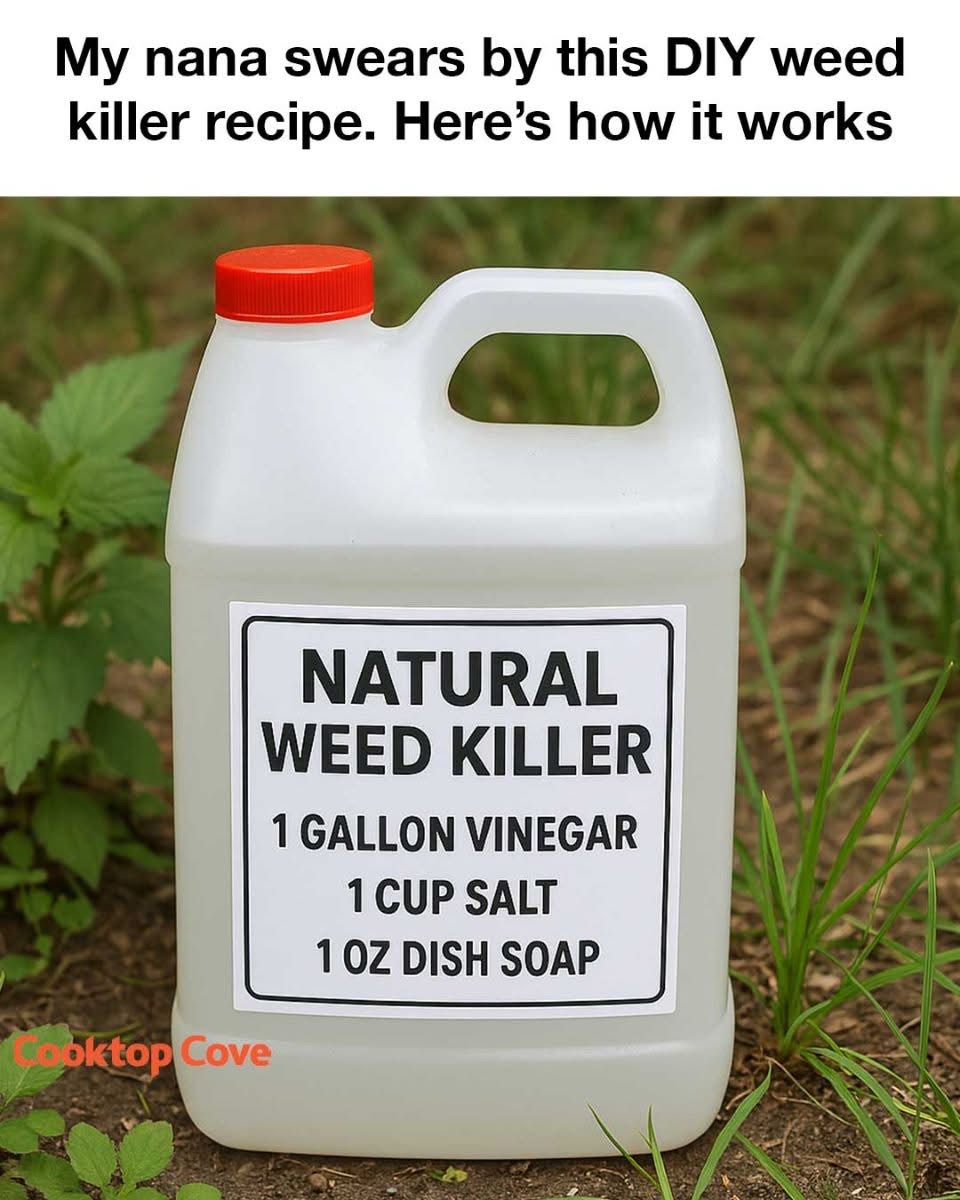
Nana’s Secret DIY Weed Killer: A Natural, Effective Solution for Your Garden
Introduction
Weeds are the bane of every gardener’s existence. They sprout up overnight, steal nutrients from prized plants, and seem nearly impossible to eradicate completely.
While commercial weed killers are widely available, many contain harsh chemicals like glyphosate, which can harm beneficial insects, soil health, and even pets and children.
That’s where Nana’s wisdom comes in. For decades, she has relied on a simple, homemade weed killer made from everyday household ingredients—no toxic chemicals, no expensive sprays, just an effective, eco-friendly solution. In this article, we’ll explore:
Why natural weed killers are better
The science behind Nana’s recipe
Step-by-step instructions for making it
Tips for application and maximizing effectiveness
Alternative natural weed control methods
Why Choose a Natural Weed Killer?
Chemical herbicides may work quickly, but they come with risks:
Environmental harm – Runoff can contaminate water sources.
Soil damage – Kills beneficial microbes over time.
Health concerns – Linked to respiratory issues and skin irritation.
Weed resistance – Some weeds adapt and become harder to kill.
Nana’s DIY weed killer avoids these problems while still delivering results.
The Science Behind Nana’s Recipe
Her secret formula relies on three key ingredients:
1. Vinegar (Acetic Acid)
How it works: The acetic acid in vinegar (especially horticultural-grade, which has 20-30% acidity) burns weeds by breaking down their cell membranes, causing them to dry out and die.
Effectiveness: Best on young, annual weeds. Perennial weeds may need multiple applications.
2. Salt (Sodium Chloride)
How it works: Salt dehydrates plants and disrupts their ability to absorb water, preventing regrowth.
Caution: Too much salt can harm soil fertility, so use sparingly near desired plants.
3. Dish Soap (Surfactant)
How it works: Helps the solution stick to weeds, ensuring better absorption.
Nana’s DIY Weed Killer Recipe
Ingredients:
1 gallon white vinegar (5% acidity for mild weeds, or 20% for tougher ones)
1 cup table salt or Epsom salt (Epsom salt is less harsh on soil)
1 tablespoon liquid dish soap (acts as a surfactant)
Instructions:
Mix ingredients in a large bucket or sprayer.
Transfer to a spray bottle (for small areas) or a garden sprayer (for larger patches).
Apply on a sunny, dry day – The sun helps intensify the weed-killing effect.
Spray directly on weeds, avoiding desirable plants.
Reapply as needed – Stubborn weeds may require 2-3 treatments.
Safety Tips:
Wear gloves and eye protection (vinegar can irritate skin).
Avoid spraying on windy days to prevent drift.
Don’t use near plants you want to keep—this is a non-selective herbicide.
When to Use It (And When to Avoid It)
✅ Best for:
Driveways, sidewalks, and patios
Between pavers and garden borders
Young, annual weeds (like dandelions and crabgrass)
❌ Avoid using:
In garden beds with desirable plants (salt can linger in soil)
Near lawns (it will kill grass)
On rainy days (will wash away before working)
Alternative Natural Weed Control Methods
If you prefer not to use salt or want extra weed-fighting power, try these:
1. Boiling Water
How it works: Scalds weeds, killing them instantly.
Best for: Cracks in driveways or walkways.
2. Corn Gluten Meal
How it works: A natural pre-emergent that prevents weed seeds from sprouting.
Best for: Lawns and garden beds (safe for grass).
3. Mulching
How it works: Blocks sunlight, smothering weeds.
Best for: Flower beds and vegetable gardens.
Final Thoughts
Nana’s DIY weed killer is proof that sometimes the best solutions are the simplest. By using vinegar, salt, and soap, you can tackle weeds without harming the environment or breaking the bank.
While it may not be as instantly lethal as chemical herbicides, it’s a safer, sustainable choice for long-term garden health.
Give it a try—your garden (and Nana) will thank you!
Do you have a favorite natural weed-killing trick? Share it in the comments! 🌿
-

4-Ingredient Melt-in-Your-Mouth Oven Beef Tips
Creamy Mushroom Beef Stew Creamy Mushroom Beef Stew is the kind of comforting meal that fills the kitchen with an irresistible aroma while it slowly cooks. Tender pieces of beef are combined with creamy mushroom soup, savory onion seasoning, and beef broth to create a rich and flavorful gravy. One of the best things about…
-

Crispy Herb Potato Patties
Crispy Herb Potato Patties Introduction Crispy Herb Potato Patties are a comforting and flavorful dish made from creamy mashed potatoes mixed with herbs, seasonings, and a crispy golden coating. They are easy to prepare, budget-friendly, and perfect as a side dish, appetizer, or light meal. Their crunchy exterior and soft, fluffy interior make them a…
-
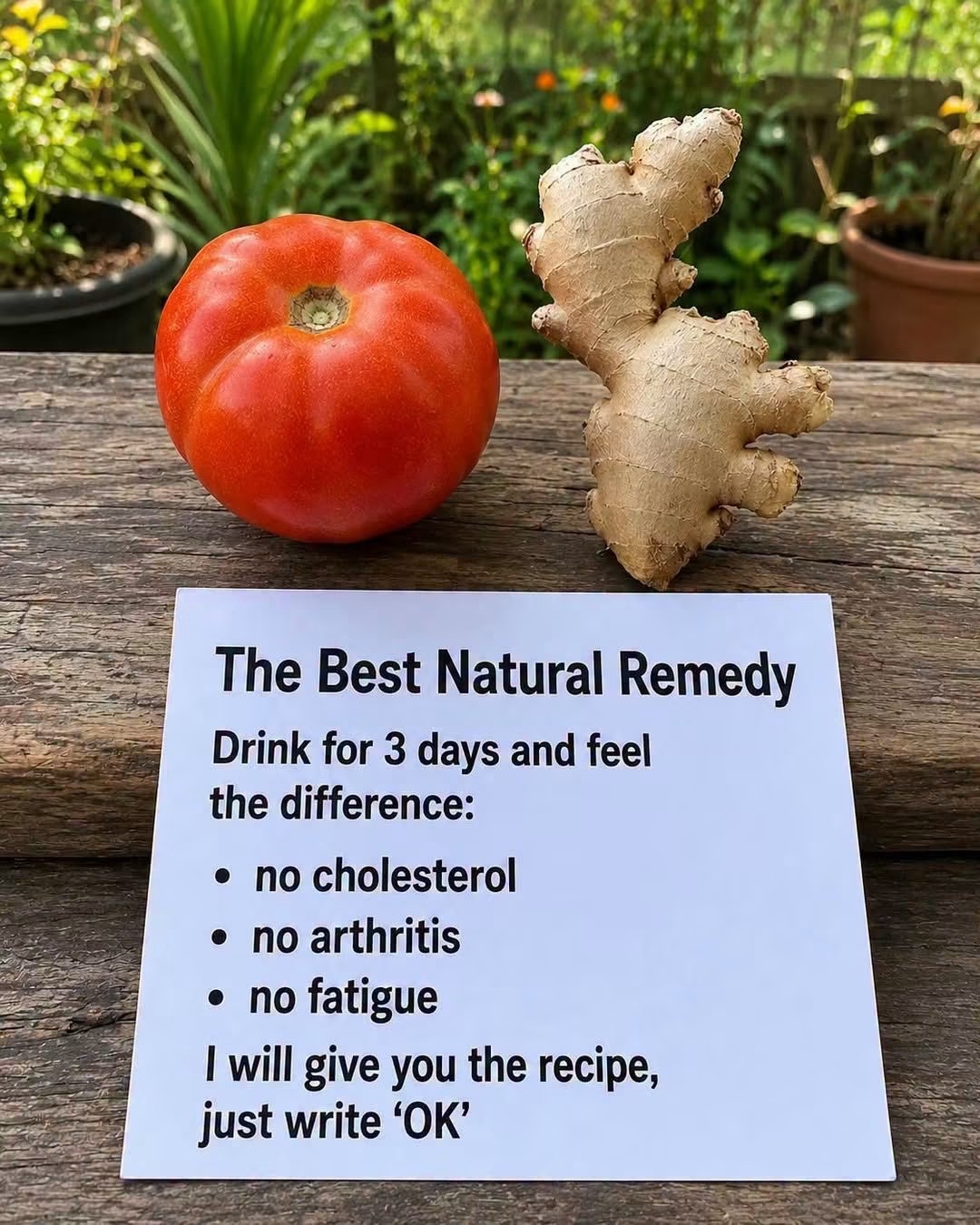
tomatoes and ginger
Tomatoes and ginger are two simple ingredients that are commonly found in many kitchens. When combined with water and a little lemon, they can create a refreshing homemade drink with a pleasant balance of sweetness, acidity, and gentle spice. Tomatoes are naturally rich in water and contain several nutrients. They provide vitamin C, potassium, and…