
Nothing warms up your meals quite like oregano — but beyond its bold flavor, oregano has been studied for its potential health-supporting properties, from antioxidant power to antimicrobial effects.
Used for centuries in Mediterranean and traditional medicine systems, oregano isn’t a miracle cure, but modern science confirms it contains compounds that may contribute to overall wellness when used as part of a healthy lifestyle.
Let’s explore what research really says about oregano — so you can appreciate this kitchen staple for both its taste and its science.
Because real wellness doesn’t come from viral remedies. It grows from knowledge, balance, and everyday choices.
What’s Inside Oregano? Key Bioactive Compounds
Oregano is packed with plant-based compounds that have drawn interest from researchers.
Carvacrol is the most abundant compound and has been studied for its antibacterial and anti-inflammatory effects.
Thymol is a natural antifungal and preservative agent. Rosmarinic acid is an antioxidant that may support immune and cellular health. Lutein and beta-carotene are known to support eye and skin health.
Oregano ranks among the top herbs for antioxidant activity — even higher than blueberries by weight.
Most research uses concentrated extracts, not culinary amounts.
Science-Supported Benefits With Realistic Expectations
Oregano is rich in antioxidants. Its high levels of phenolic compounds, like rosmarinic acid, contribute to its strong antioxidant activity.
Antioxidants help neutralize free radicals, which, if left unchecked, can contribute to oxidative stress and long-term health concerns. While oregano alone won’t prevent disease, including antioxidant-rich foods in your diet may support cellular health and resilience.
It also has antimicrobial properties. Carvacrol and thymol have been shown in lab studies to inhibit the growth of certain bacteria and fungi.
That’s why oregano oil is sometimes used in natural cleaning or preservation. These effects are far more pronounced in concentrated forms than in culinary use.
There is potential anti-inflammatory support. Preliminary research suggests that oregano compounds may help reduce markers of inflammation in the body.
Chronic inflammation is linked to various health issues, so herbs like oregano may offer small, supportive benefits when combined with an overall anti-inflammatory diet.
Oregano may also support digestive and gut health. Traditional use of oregano often centered around easing digestion.
Modern research hints that oregano oil may influence gut microbes, but more human studies are needed.
At the very least, adding oregano to meals can make food more flavorful without excess salt or sugar — which supports digestive and metabolic wellness indirectly.
The Realistic Bottom Line
Oregano isn’t a magic bullet, but it is a flavorful herb with science-backed compounds that contribute to wellness.
The key is to enjoy it as part of a balanced lifestyle, whether fresh or dried in your cooking or, if recommended by a professional, in the form of standardized extracts or oils.
Remember that more isn’t always better. Culinary oregano is safe for most people, but concentrated oregano oil supplements can be very strong and should be used with guidance.
How to Add More Oregano to Your Life
Sprinkle dried oregano on roasted vegetables, soups, and stews.
Add fresh oregano leaves to salads, marinades, and sauces. Infuse olive oil with oregano for a flavorful drizzle. Try oregano tea for a soothing herbal drink.
Final Thought
Oregano is more than just a pizza topping — it’s a small but powerful way to bring both flavor and science-backed wellness to your plate.
Appreciating its benefits reminds us that health doesn’t come from trends, but from thoughtful choices and nature’s everyday gifts.
-

3-Ingredient Chocolate Peanut Butter Cracker Cookies
Ingredients 48 round buttery crackers: Choose evenly sized crackers so the sandwiches fit together neatly. ¾ cup creamy peanut butter: A regular, no-stir peanut butter makes a firm filling that stays in place. 16 ounces (454 g) chocolate candy coating: Use milk chocolate or dark chocolate flavored melting wafers. Instructions Line two baking sheets with…
-
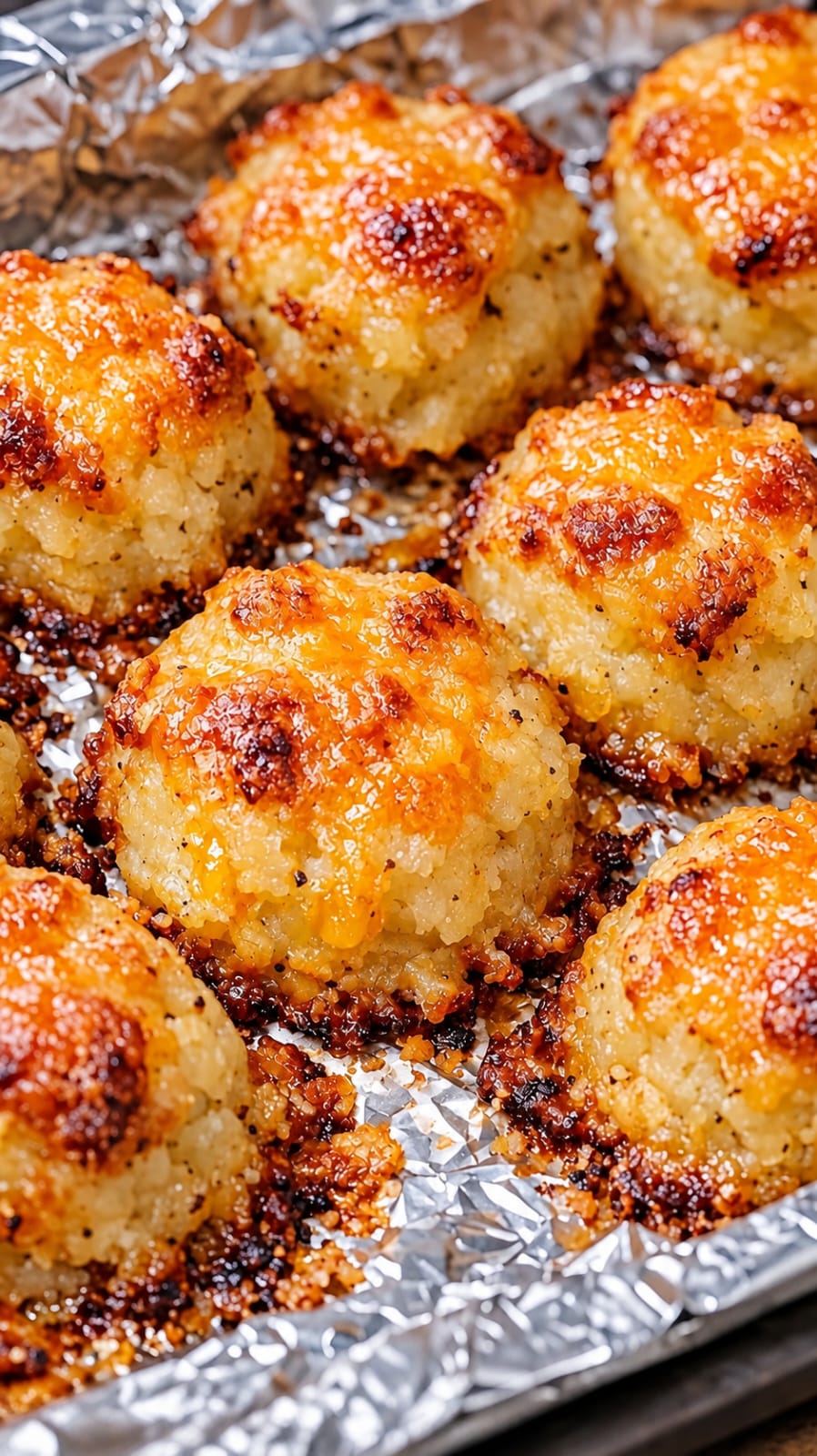
Golden Cheddar Parmesan potato puffs
Ingredients Potatoes: 3 cups cold, firm mashed potatoes, prepared without extra milk or cream. Cheddar: 1 cup shredded sharp cheddar cheese, divided. Parmesan: ½ cup finely grated Parmesan cheese, divided. Egg: 1 large egg, lightly beaten. Flour: ¼ cup all-purpose flour, plus 1–2 tablespoons if needed. Butter: 2 tablespoons melted unsalted butter. Garlic powder: 1…
-
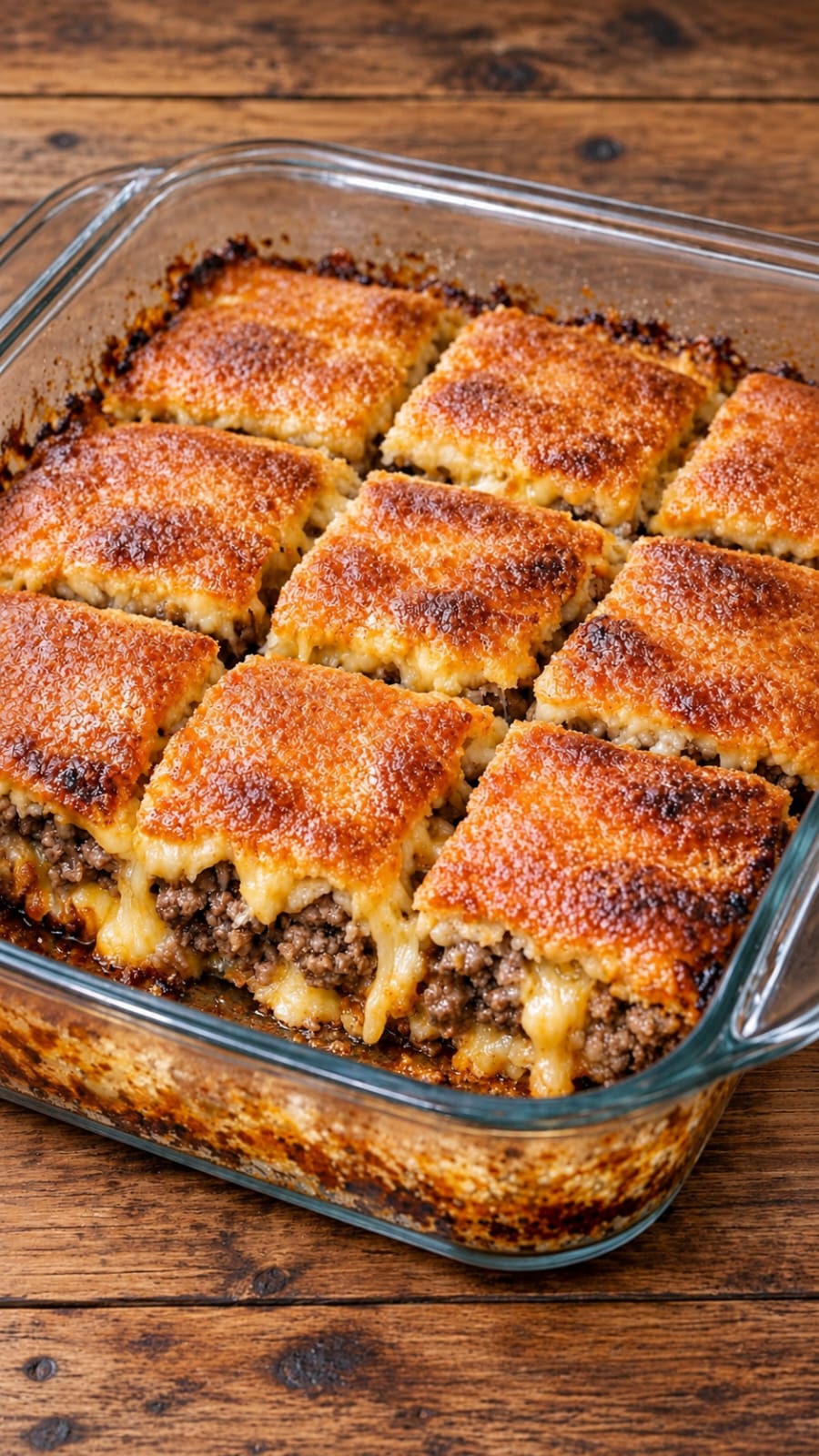
Cheesy beef Squares
Just 3 ingredients for these Southern Cheesy Beef Squares! 😍 Golden crescent dough, savory ground beef, and melted cheddar make an easy, comforting dinner. Slice into squares and serve warm! 🧀✨ Full recipe in the first comment! 👇 Southern 3-Ingredient Cheesy Beef Squares Ingredients Ground beef: 1 pound. Lean ground beef helps keep the filling…