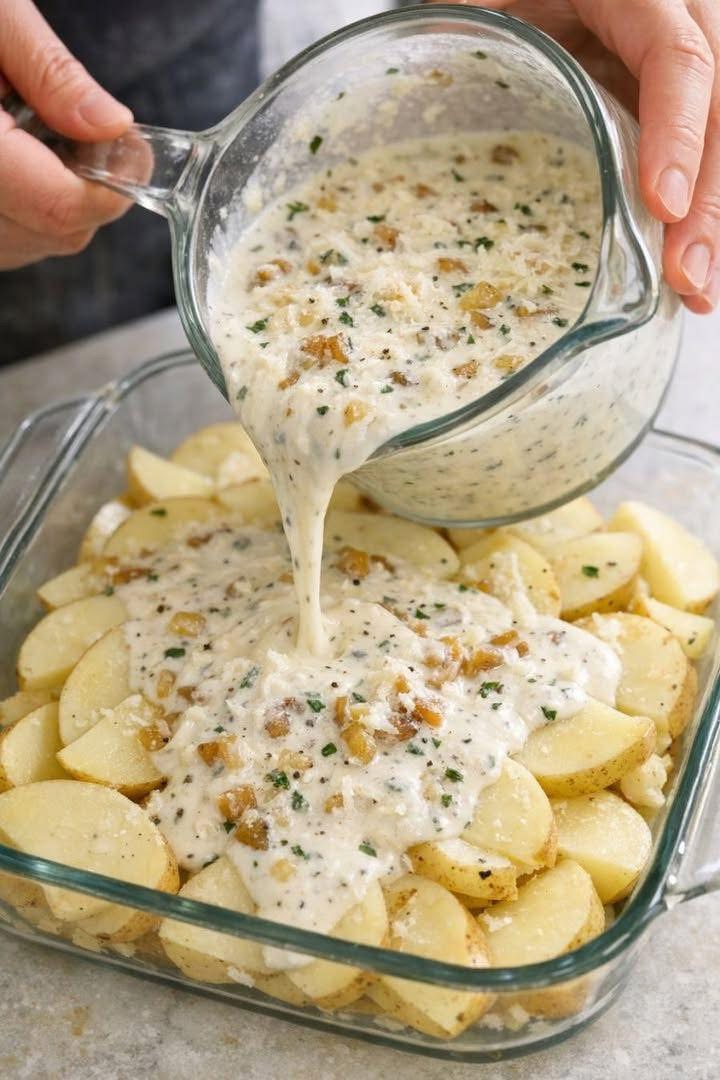
When the air turns cool or your body simply demands comfort, few dishes answer as confidently as a creamy potato bake. This is not flashy food. It does not try to impress with complexity. It wins by warmth, texture, and quiet confidence.
At its core, this dish is a classic gratin-style casserole. A gratin is simply a dish baked with a creamy base and finished with a golden crust. The magic happens in the oven, where starch, fat, and heat collaborate like seasoned professionals.
The foundation is the potato. Yukon Gold brings buttery richness, while russet offers structure and fluffier texture. Both work beautifully, but consistency in slicing is non-negotiable if you want even cooking.
Thin slices matter more than people think. Around one-eighth of an inch ensures tenderness without turning the bake into mashed potatoes. Precision here is not obsession; it is physics.
The cream sauce begins with butter and garlic. Butter carries flavor, and garlic perfumes the base without overpowering it. Thirty seconds is enough to wake it up without browning it.
Flour enters next to create a roux. A roux is simply fat cooked with flour to thicken liquids. Cooking it briefly removes the raw taste and prepares it to absorb milk smoothly.
Milk and cream are whisked in gradually. This slow addition prevents lumps and builds a silky texture. As it heats, starch granules swell and thicken the mixture naturally.
Seasoning is minimal but strategic. Salt sharpens, pepper adds warmth, and paprika gives subtle depth. A tiny pinch of nutmeg can add complexity without announcing itself.
Layering is where structure forms. Potatoes first, sauce next, then cheese. Repetition builds balance so every bite contains cream, starch, and melt.
Cheddar provides sharpness and bold flavor. Mozzarella contributes stretch and smooth melt. Parmesan crowns the top with salty intensity and helps create that irresistible crust.
Covering the dish for the first stage of baking traps steam. This softens the potatoes thoroughly and ensures tenderness. Removing the foil later allows evaporation and browning.
The final uncovered bake transforms the surface. Proteins and sugars react in heat through what is called the Maillard reaction. That reaction creates golden color and deep savory flavor.
Resting the dish after baking is not optional decoration advice. As it cools slightly, the sauce thickens and stabilizes. Cutting too early turns layers into a sliding event.
Texture contrast defines the success of this bake. Creamy interior, tender potatoes, and a slightly crisp top create harmony. Too wet or too dry and the spell breaks.
This dish works beautifully as a side for roasted meats or grilled vegetables. It can also stand alone as a vegetarian main, especially when paired with a fresh salad.
Fresh thyme or parsley adds brightness at the end. Herbs do not just decorate; they cut through richness and refresh the palate.
If you want variation, thinly sliced onions between layers add sweetness. A touch of smoked paprika introduces subtle depth. Even a layer of sautéed mushrooms can shift the character.
Using a mandoline slicer improves uniformity and speeds preparation. Uniform thickness equals predictable cooking, and predictable cooking equals control. Control in the kitchen is underrated.
Broiling for the last few minutes intensifies the crust. Watch carefully, because browning turns to burning quickly. The line between golden and regret is thinner than a potato slice.
In the end, this potato bake succeeds because it respects simple ingredients. Starch, fat, heat, and patience combine into something far greater than their parts. Comfort food is not accidental; it is applied science wrapped in nostalgia.
-
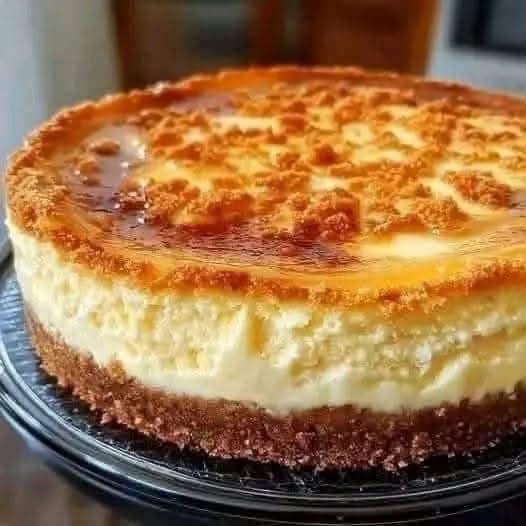
Creamy Caramel Cheesecake Delight: The Ultimate Indulgence
Creamy Caramel Cheesecake Delight: The Ultimate Indulgence Prepare the crust. Preheat your oven to 325°F (165°C). Line the bottom of a 9-inch springform pan with parchment paper and lightly grease the sides. Place the digestive biscuits or graham crackers in a food processor and pulse until they become fine crumbs. You can also crush them…
-
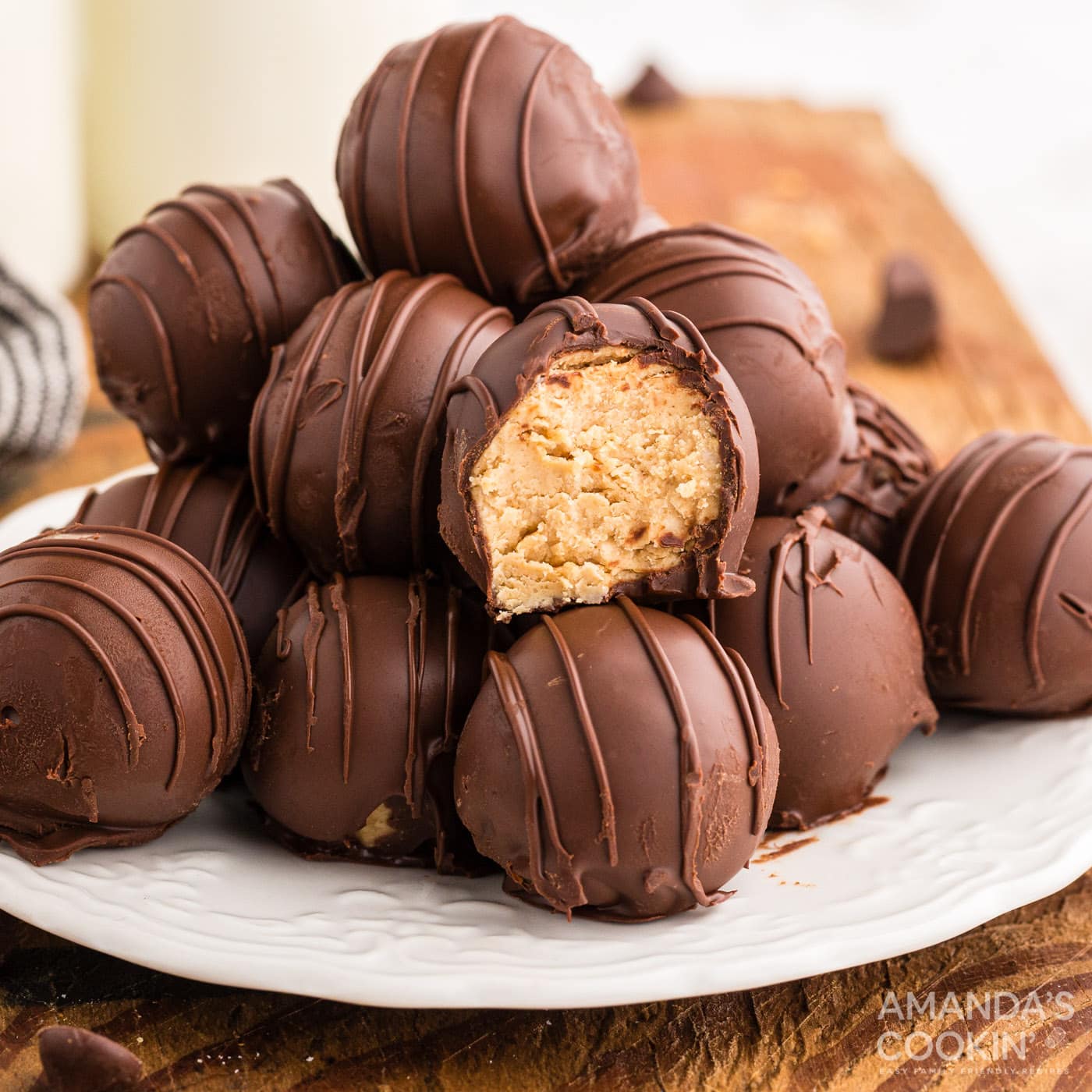
Peanut Butter Balls
Peanut Butter Balls 1. These peanut butter balls are rich, creamy, delicious, and incredibly easy to make at home. 2. They require only a few simple ingredients and do not require complicated cooking techniques. 3. Start by preparing 1 cup (269 grams) of peanut butter. You can use either smooth or crunchy peanut butter, depending…
-
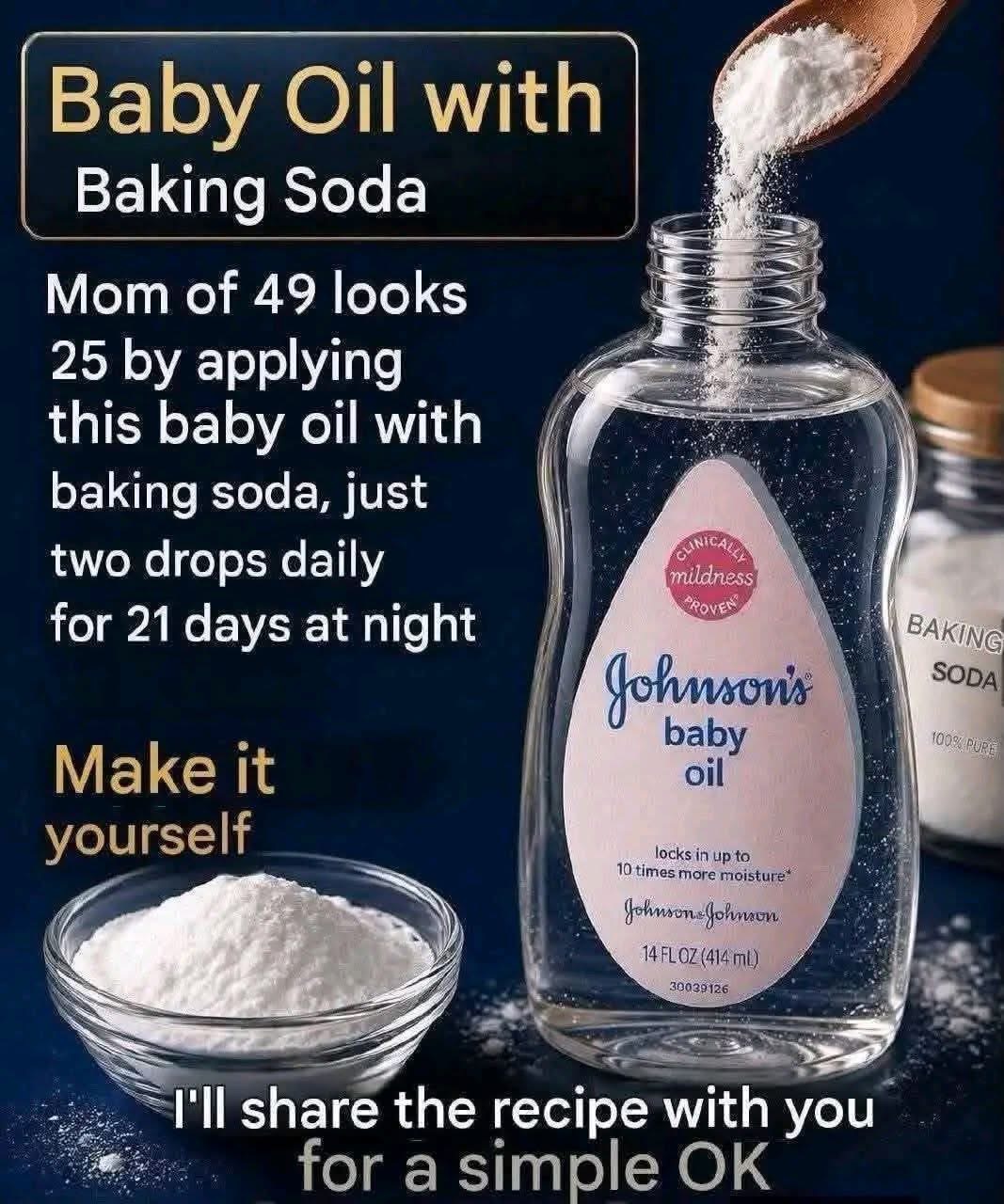
Baby Oil with Baking Soda: A Viral DIY Skincare Recipe Explained
Introduction The combination of baby oil and baking soda has recently appeared in viral DIY skincare posts claiming that it can dramatically improve the appearance of mature skin and make someone look years younger. While baby oil can help reduce the feeling of dry skin by providing an occlusive layer, the claim that mixing it with baking…