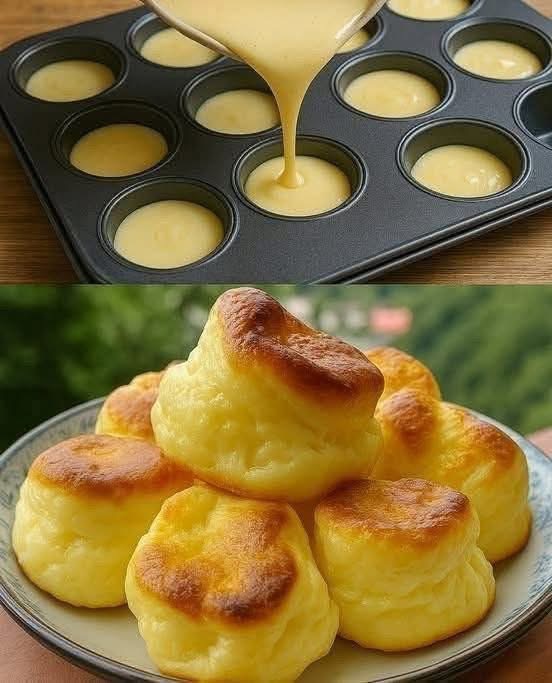
These little cloud-like domes are mini Japanese soufflé cheesecakes, and they are a beautiful example of culinary physics doing its quiet magic in your oven. What makes them special is not just the flavor, but the structure. They are light because they rely on air trapped in egg whites, not just baking powder. Air is the real architect here.
To make about 9 to 12 mini cheesecakes, start with 200 grams of cream cheese at room temperature. Temperature matters more than people think. Cold cream cheese will fight you and create lumps, and lumps are the enemy of silkiness.
Add 30 grams of unsalted butter and 100 milliliters of milk to the cream cheese. Place this mixture in a heatproof bowl over a pot of gently simmering water. This is called a bain-marie, which simply means water bath. The gentle heat prevents curdling and gives you a smooth base.
Stir slowly until everything melts into a glossy, unified mixture. Remove it from the heat and let it cool slightly. If it is too hot when you add eggs, you risk scrambling them, and we are baking a dessert, not making breakfast.
Separate 4 eggs carefully. Yolks in one bowl, whites in another. Egg separation is a small act with big consequences. Even a drop of yolk in the whites can prevent proper whipping.
Whisk the egg yolks into the cooled cheese mixture one at a time. Then add 40 grams of sugar and mix well. Sugar does more than sweeten; it also stabilizes and affects texture.
Add 30 grams of sifted flour and 10 grams of cornstarch. Sifting is not culinary superstition. It prevents clumps and ensures even structure. Mix until smooth but do not overwork it.
Now for the structural engineering. Beat the egg whites with a pinch of salt. Once they turn foamy, gradually add 40 grams of sugar while beating. You want soft peaks. Not stiff, not runny. Soft peaks mean the tip bends slightly when you lift the whisk.
This stage matters. Overbeaten whites become dry and hard to fold. Underbeaten whites collapse. Precision here determines height later.
Fold one third of the egg whites into the batter gently. Folding means cutting through the center and lifting from the bottom in slow motions. We are preserving air, not punching it out.
Once that portion is incorporated, fold in the remaining whites in two additions. Work slowly. Think patience, not speed. The batter should look airy and pale.
Line a muffin tin with paper liners. For extra lift, you can wrap the outside of the pan with foil if baking in a water bath. A water bath gives more even heat and reduces cracking.
Pour the batter into each cavity about three quarters full. Do not overfill. These rise dramatically because expanding air and steam push upward during baking.
Place the muffin tin inside a larger baking dish and pour hot water around it halfway up the sides. This gentle environment prevents sudden temperature shock, which can cause collapse.
Bake at 160°C for about 25 to 30 minutes. Avoid opening the oven door early. Temperature drops are the sworn enemy of soufflé-style desserts.
You will see them rise into golden domes. That rise is steam expansion plus the structure set by proteins in egg whites. Proteins unfold when heated and create a network that traps air.
When the tops are lightly golden, turn off the oven and leave the door slightly open. Let them cool gradually inside for 10 to 15 minutes. Sudden cooling can cause shrinking.
Remove them and allow them to cool completely at room temperature. As they cool, they will settle slightly. That is normal. Dramatic height always comes with a bit of humility afterward.
The final texture should be soft, slightly jiggly in the center, and melt-in-the-mouth light. Not dense like New York cheesecake, not crumbly like cake. Something in between. A dessert that feels like it defies gravity, but is actually just chemistry behaving beautifully.
-
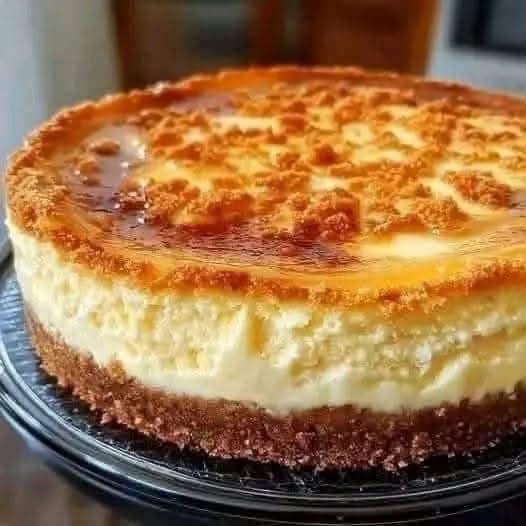
Creamy Caramel Cheesecake Delight: The Ultimate Indulgence
Creamy Caramel Cheesecake Delight: The Ultimate Indulgence Prepare the crust. Preheat your oven to 325°F (165°C). Line the bottom of a 9-inch springform pan with parchment paper and lightly grease the sides. Place the digestive biscuits or graham crackers in a food processor and pulse until they become fine crumbs. You can also crush them…
-
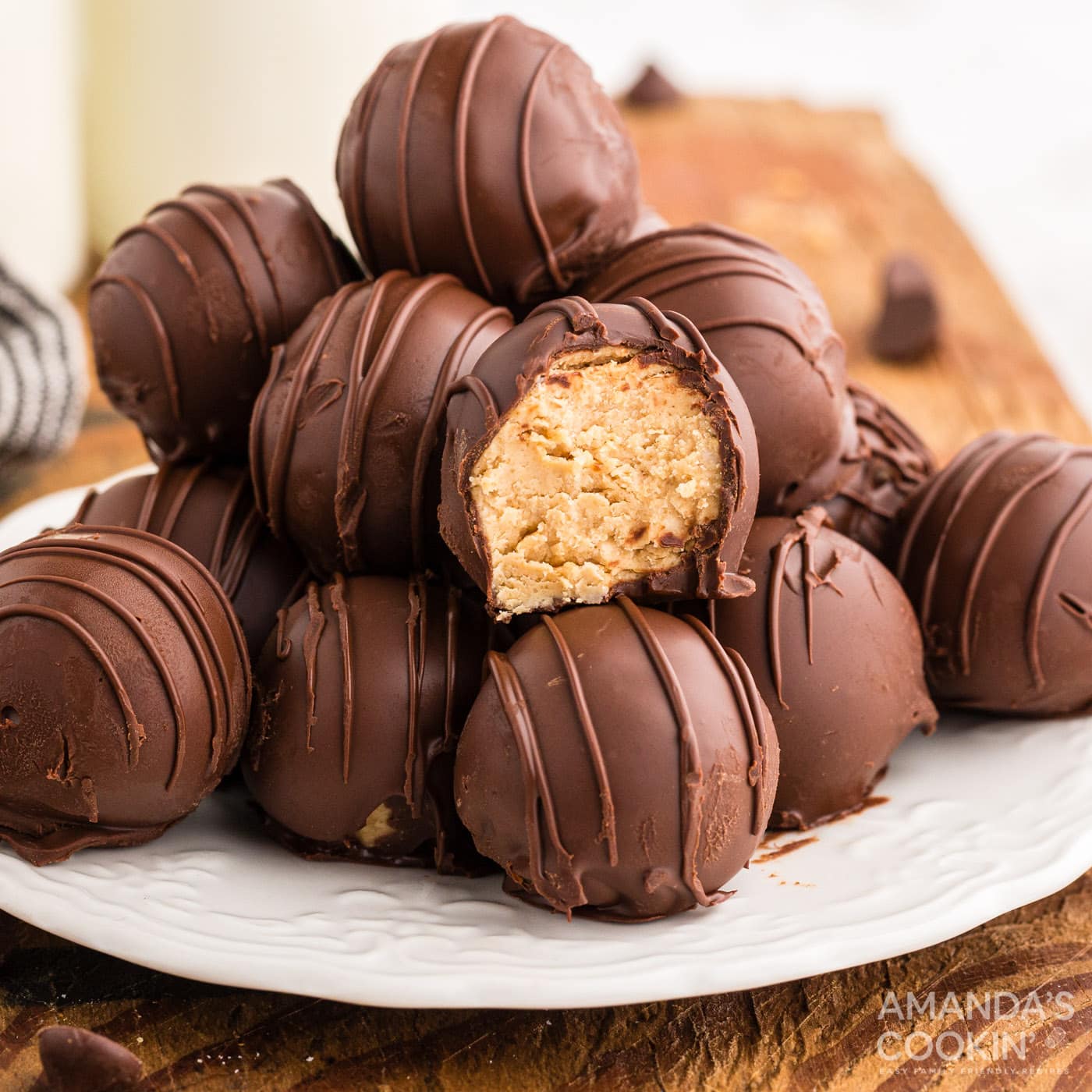
Peanut Butter Balls
Peanut Butter Balls 1. These peanut butter balls are rich, creamy, delicious, and incredibly easy to make at home. 2. They require only a few simple ingredients and do not require complicated cooking techniques. 3. Start by preparing 1 cup (269 grams) of peanut butter. You can use either smooth or crunchy peanut butter, depending…
-
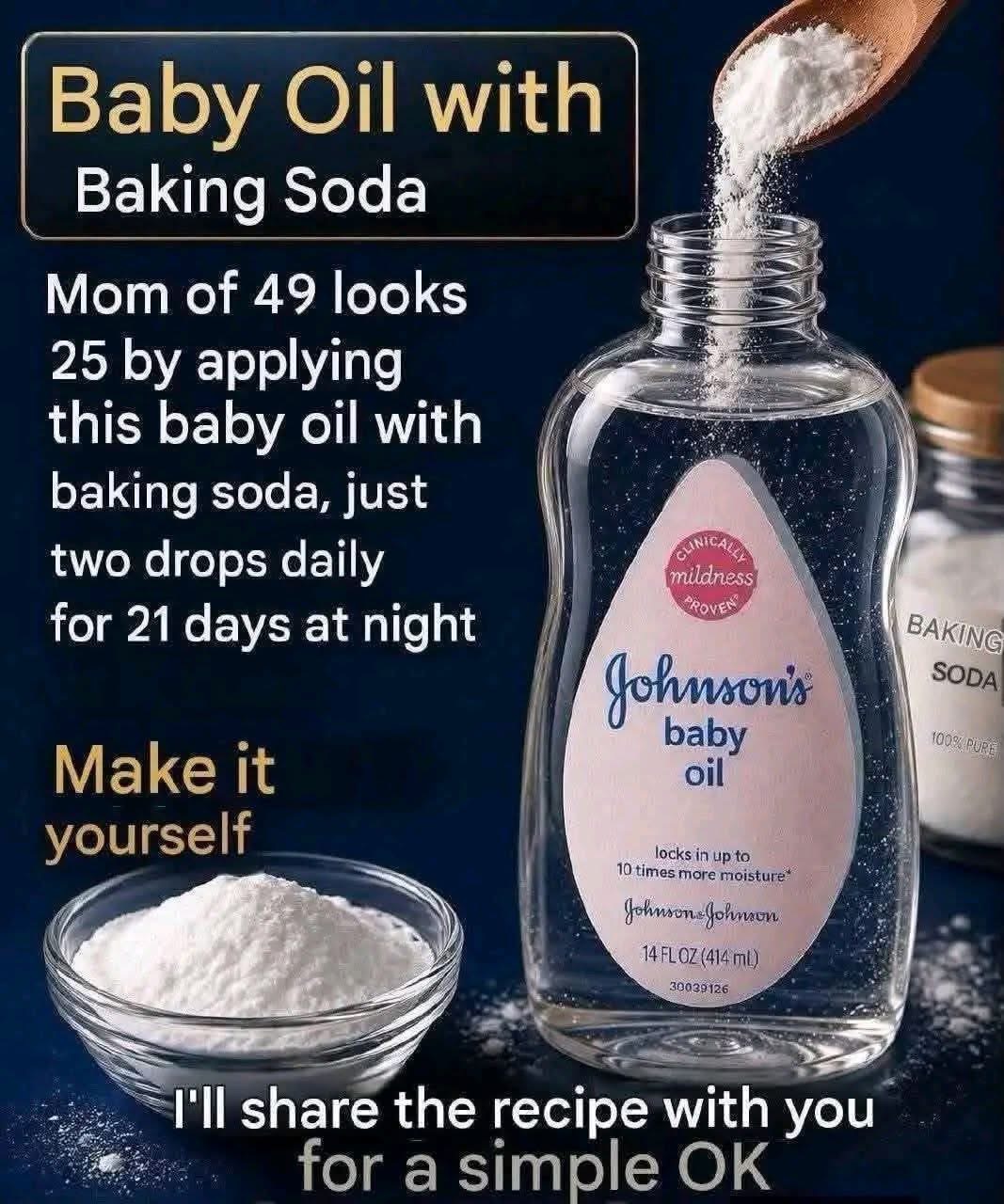
Baby Oil with Baking Soda: A Viral DIY Skincare Recipe Explained
Introduction The combination of baby oil and baking soda has recently appeared in viral DIY skincare posts claiming that it can dramatically improve the appearance of mature skin and make someone look years younger. While baby oil can help reduce the feeling of dry skin by providing an occlusive layer, the claim that mixing it with baking…