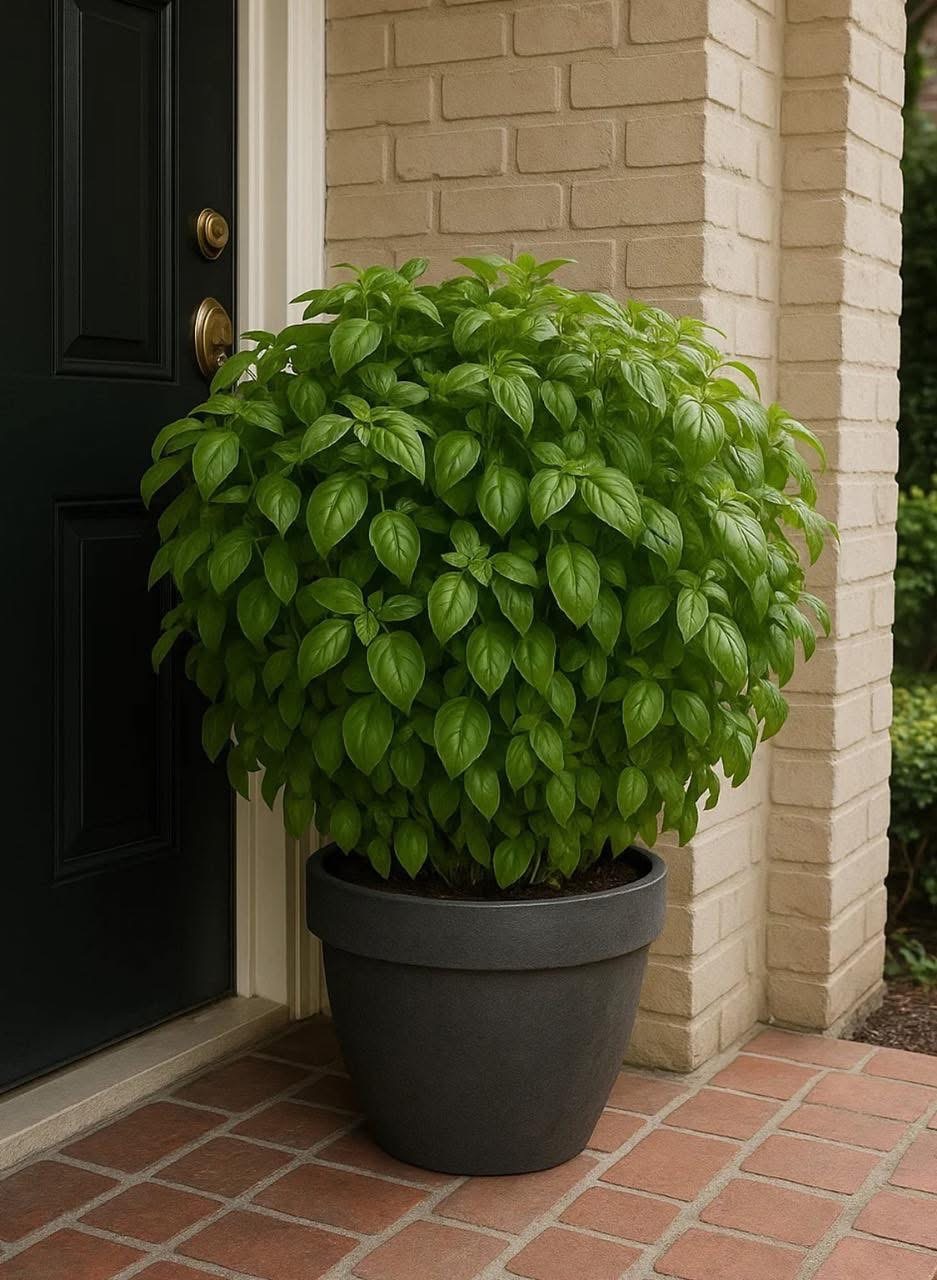
How to Make Fresh Basil Last for Months: The Ultimate Guide
Bringing home fresh basil is exciting, but keeping it vibrant and flavorful for months requires proper care.
Whether you bought a potted plant or a bunch of cut basil, these methods will help extend its life far beyond the typical shelf life.
1. Choosing the Right Basil
Before storage, ensure you start with the freshest basil possible:
For cut basil: Look for bright green leaves without dark spots or wilting.
For potted basil: Check for healthy roots (white, not brown) and no signs of pests.
2. Storing Fresh Basil Short-Term (1-2 Weeks)
Method 1: The Bouquet Approach (Best for Cut Basil)
Trim the stems slightly.
Place in a jar with 1-2 inches of water (like fresh flowers).
Cover loosely with a plastic bag and secure with a rubber band.
Keep at room temperature, away from direct sunlight.
Change water every 1-2 days.
Method 2: Refrigerator Storage (For Immediate Use)
Wrap basil in a slightly damp paper towel.
Place inside a ziplock bag (leave a small opening for airflow).
Store in the warmest part of the fridge (usually the door).
3. Making Basil Last for Months
Method 1: Freezing Basil (Best for Cooking)
Option A: Whole Leaves
Blanch leaves (dip in boiling water for 2 seconds, then ice water).
Pat dry, lay flat on a tray, and freeze.
Transfer to an airtight container.
Option B: Basil Pesto or Oil Cubes
Blend basil with olive oil, then freeze in ice cube trays.
Once frozen, transfer to a freezer bag.
Method 2: Drying Basil (Best for Teas & Seasonings)
Air drying: Hang bunches upside down in a warm, dry place for 1-2 weeks.
Oven drying: Spread leaves on a tray, bake at 170°F (77°C) for 2-4 hours.
Dehydrator: Dry at 95°F (35°C) for 12-24 hours.
Store dried leaves whole in an airtight jar and crush when needed.
Method 3: Preserving in Oil or Vinegar
Pack clean, dry basil leaves in a jar and cover with olive oil or vinegar.
Store in the fridge for up to 3 months.
4. Growing Basil Indoors (For Continuous Supply)
If you have a potted basil plant:
Place in bright, indirect sunlight (6+ hours daily).
Water when the top inch of soil is dry.
Prune regularly to encourage bushier growth.
Avoid cold drafts and overwatering.
5. Reviving Wilted Basil
If your basil starts drooping:
Soak the stems in cool water for 30 minutes.
Trim the ends and refresh the water.
Final Tips for Long-Lasting Basil
✅ Avoid washing until ready to use (excess moisture speeds up decay).
✅ Remove any yellow or black leaves immediately.
✅ Freeze or dry excess basil before it spoils.
By following these methods, you can enjoy fresh, aromatic basil for months—whether in sauces, salads, or as a fragrant garnish!
Would you like a printable version of this guide? Let me know!
-

4-Ingredient Melt-in-Your-Mouth Oven Beef Tips
Creamy Mushroom Beef Stew Creamy Mushroom Beef Stew is the kind of comforting meal that fills the kitchen with an irresistible aroma while it slowly cooks. Tender pieces of beef are combined with creamy mushroom soup, savory onion seasoning, and beef broth to create a rich and flavorful gravy. One of the best things about…
-

Crispy Herb Potato Patties
Crispy Herb Potato Patties Introduction Crispy Herb Potato Patties are a comforting and flavorful dish made from creamy mashed potatoes mixed with herbs, seasonings, and a crispy golden coating. They are easy to prepare, budget-friendly, and perfect as a side dish, appetizer, or light meal. Their crunchy exterior and soft, fluffy interior make them a…
-

tomatoes and ginger
Tomatoes and ginger are two simple ingredients that are commonly found in many kitchens. When combined with water and a little lemon, they can create a refreshing homemade drink with a pleasant balance of sweetness, acidity, and gentle spice. Tomatoes are naturally rich in water and contain several nutrients. They provide vitamin C, potassium, and…