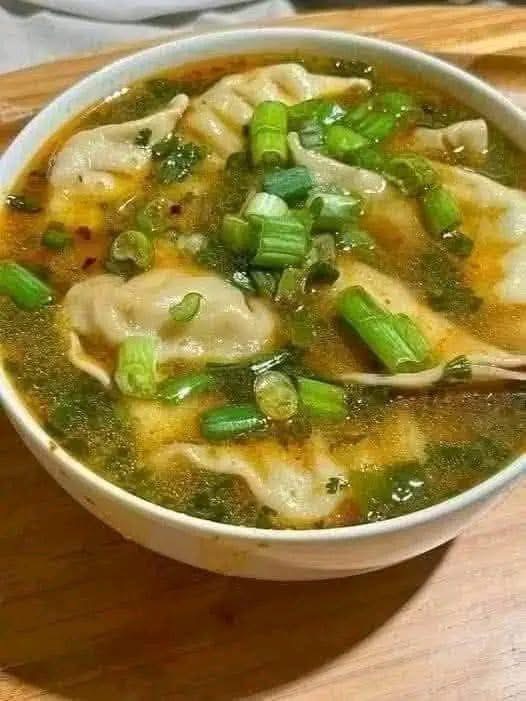
Dumpling soup is one of those dishes that feels like it existed before written language. Somewhere in history, someone wrapped food in dough, dropped it into hot liquid, and accidentally discovered emotional stability in edible form. It is culinary engineering at its simplest and most elegant.
At its core, this dish is a study in balance. You have carbohydrates from the dough, protein from the filling, fat for richness, and liquid for warmth and hydration.
Nutrition scientists might call that macronutrient harmony. Grandmothers simply call it dinner.
The dough itself is a fascinating material. Flour plus water creates gluten, a protein network that gives structure and elasticity.
Kneading aligns those proteins, turning sticky paste into something resilient and stretchable. Resting the dough allows the gluten to relax, making it easier to roll thin without snapping back like a rebellious rubber band.
The filling is where personality lives. Pork brings fat and umami, the savory depth that makes food satisfying.
Ginger and garlic are not just flavoring agents; they contain aromatic compounds that stimulate the senses and create complexity. Green onions add brightness, cutting through richness with sharp freshness.
Soy sauce contributes salt and fermented depth. Fermentation, by the way, is controlled microbial transformation.
Humans discovered long ago that letting microbes do a little work makes food more interesting. Sesame oil adds a toasted aroma that signals comfort before the first bite even happens.
Shaping the dumplings is a quiet act of craftsmanship. Folding and sealing requires care because trapped air expands during cooking. If the seal fails, the filling escapes and chaos ensues. Culinary physics is unforgiving but fair.
When the dumplings hit simmering broth, something satisfying happens. As they cook, steam forms inside and the dough firms up.
When they float, it is not magic. It is density. Cooked dumplings become slightly less dense than the surrounding liquid, so buoyancy wins.
The broth deserves respect. A good broth carries dissolved proteins, minerals, and fat that create body and flavor.
Simmering extracts gelatin from bones, which gives that silky mouthfeel. Vegetable broth achieves complexity through slow extraction of plant sugars and aromatic compounds.
Chili flakes introduce capsaicin, the molecule responsible for heat. Capsaicin doesn’t actually burn you; it tricks your nervous system into thinking you’re experiencing heat.
Your brain reacts, releases endorphins, and suddenly you feel good. Biology collaborating with cuisine.
Cilantro and green onions at the end are not decorative afterthoughts. Fresh herbs contain volatile compounds that evaporate quickly in heat. Adding them at the end preserves brightness. Timing is everything in both cooking and life.
Freezing dumplings in advance is a triumph of foresight. When frozen, water inside the wrapper becomes solid, stabilizing structure.
Cooking from frozen works because heat transfer gradually thaws and cooks the interior without destroying the exterior. It is practical thermodynamics.
Spicy variations change the emotional tone of the soup. Adding jalapeños or hot sauce transforms comfort into stimulation.
Heat activates different sensory pathways, shifting the experience from soothing to energizing.
Vegetable fillings bring texture contrast. Finely chopped cabbage releases moisture, mushrooms provide glutamates that mimic meatiness, and carrots contribute subtle sweetness. The result is lighter but still satisfying.
This dish also represents cultural convergence. Nearly every civilization has invented some version of dough wrapped around filling.
It appears in China, Poland, Italy, Turkey, and beyond. Independent invention is one of humanity’s most charming habits.
From a biochemical standpoint, dumpling soup is efficient fuel. Protein repairs tissue, carbohydrates provide energy, and fats support absorption of fat-soluble vitamins. It is a compact delivery system disguised as comfort.
Psychologically, warm soup reduces stress perception. Studies show that holding something warm can increase feelings of security and social connection. Temperature influences emotion more than we realize.
Texture matters more than most people think. The contrast between tender wrapper and juicy filling creates sensory complexity. Humans evolved to appreciate varied textures because they signal diverse nutrients.
Even the act of making dumplings has social significance. Folding them together turns cooking into collaboration. Repetition of a simple task becomes meditative, almost ritualistic.
There is also a lesson in adaptability. Change the filling, change the broth, change the spice level, and you have a different experience while keeping the same structural framework. Flexibility within structure is a powerful design principle.
In the end, dumpling soup is not complicated cuisine. It is applied chemistry, physics, biology, and anthropology inside a bowl.
A small reminder that the ordinary things we cook every day are quiet demonstrations of human ingenuity, patience, and our enduring love affair with warmth.
-

Creamy Caramel Cheesecake Delight: The Ultimate Indulgence
Creamy Caramel Cheesecake Delight: The Ultimate Indulgence Prepare the crust. Preheat your oven to 325°F (165°C). Line the bottom of a 9-inch springform pan with parchment paper and lightly grease the sides. Place the digestive biscuits or graham crackers in a food processor and pulse until they become fine crumbs. You can also crush them…
-
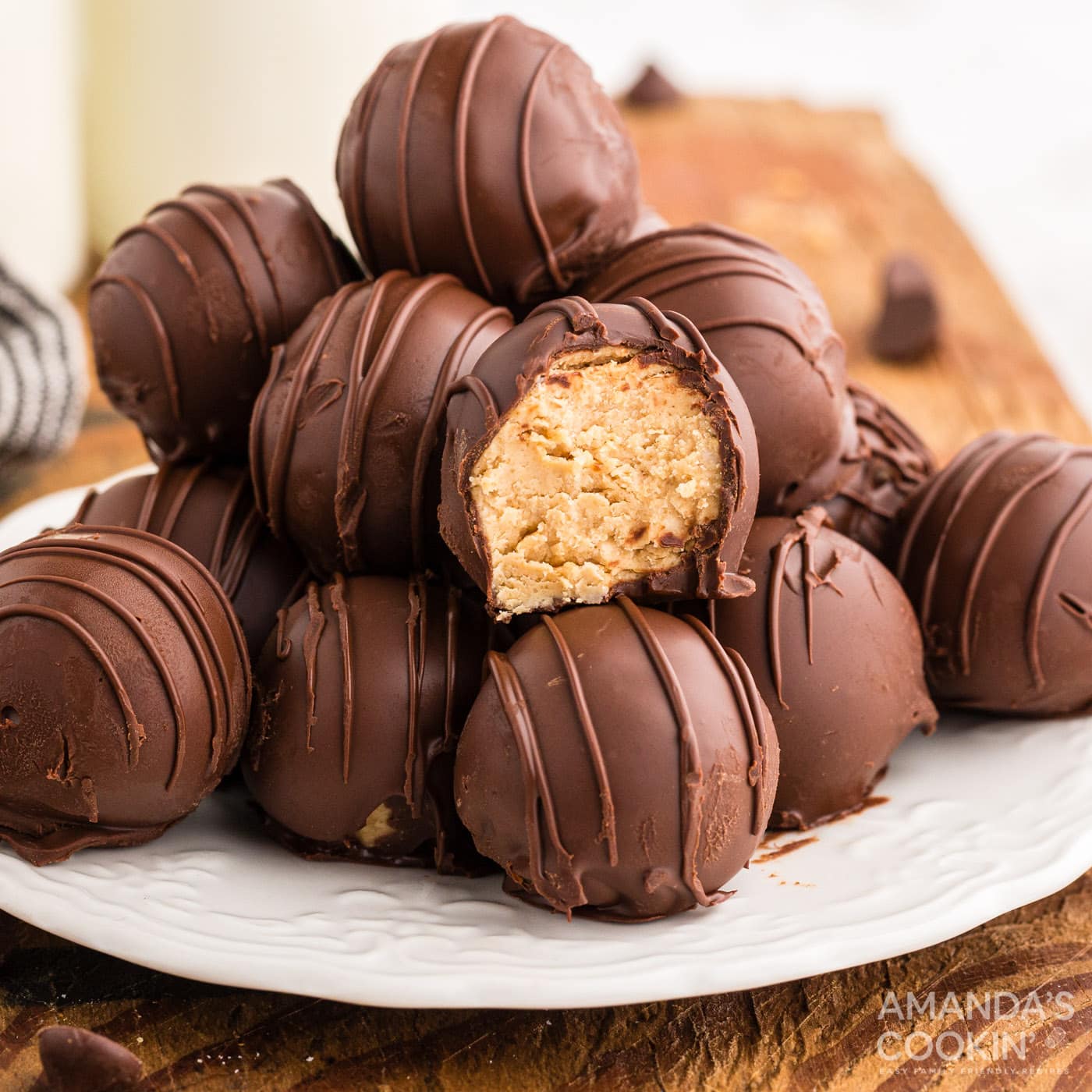
Peanut Butter Balls
Peanut Butter Balls 1. These peanut butter balls are rich, creamy, delicious, and incredibly easy to make at home. 2. They require only a few simple ingredients and do not require complicated cooking techniques. 3. Start by preparing 1 cup (269 grams) of peanut butter. You can use either smooth or crunchy peanut butter, depending…
-

Baby Oil with Baking Soda: A Viral DIY Skincare Recipe Explained
Introduction The combination of baby oil and baking soda has recently appeared in viral DIY skincare posts claiming that it can dramatically improve the appearance of mature skin and make someone look years younger. While baby oil can help reduce the feeling of dry skin by providing an occlusive layer, the claim that mixing it with baking…