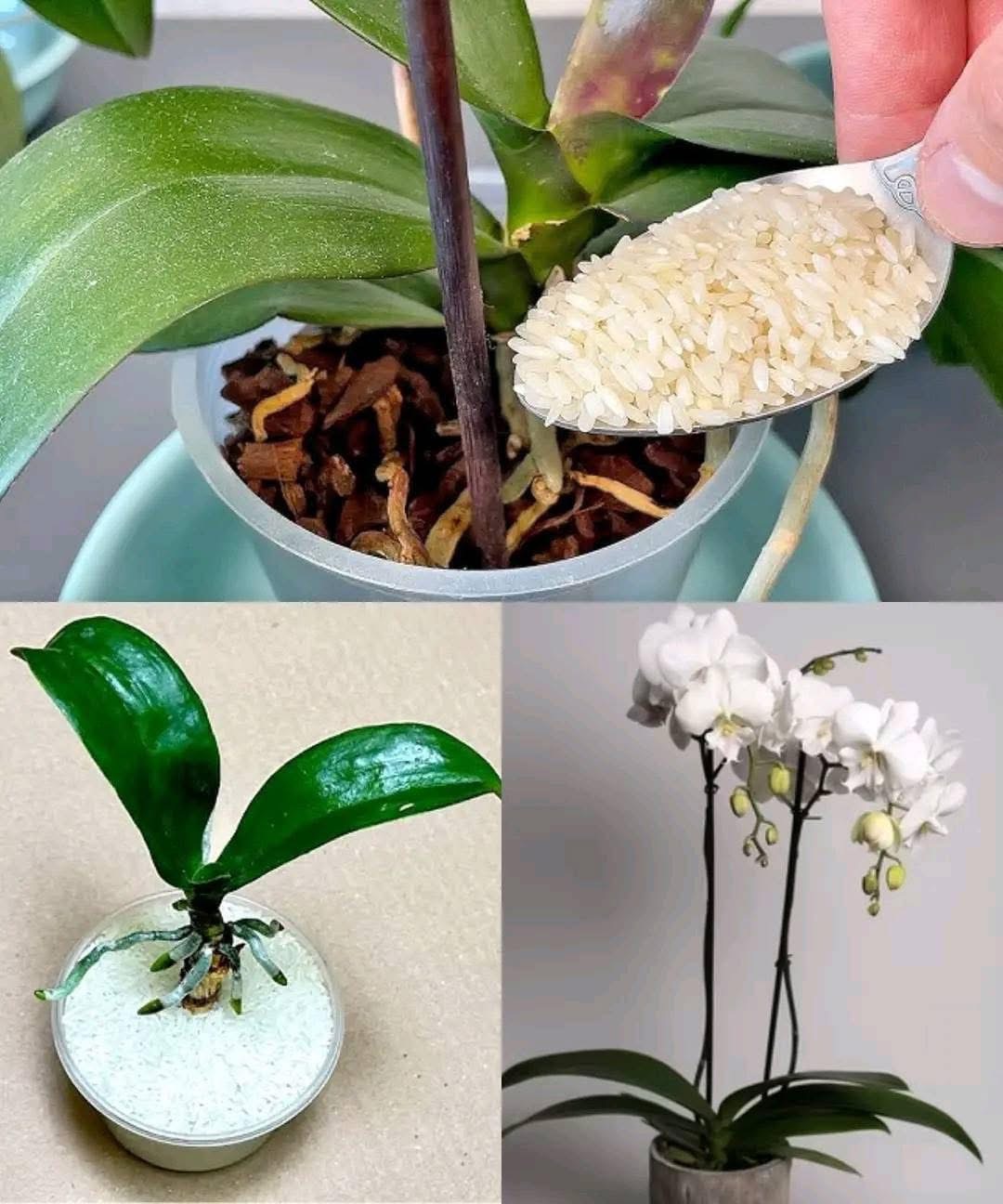
Orchids are one of the most delicate and beautiful flowering plants, but they can be notoriously tricky to care for, especially when it comes to encouraging them to bloom.
If your orchid hasn’t flowered in a long time, there’s a natural, simple trick you can try that might help — and the secret ingredient is something you likely already have in your kitchen: rice.
Yes, rice can work wonders for orchids, providing essential nutrients and compounds that stimulate growth and flowering. The idea may sound surprising, but rice water has long been used as a natural fertilizer in gardening due to its nutrient-rich composition.
1. The Rice Soak: How to Prepare Nutrient-Rich Water
The first step in utilizing rice for your orchid is creating a rice water infusion. This is a simple process that requires just rice, water, and a bit of patience.
Ingredients and Process:
50 grams of rice: You don’t need a lot of rice, about 50 grams will be enough. Any type of rice will work, but organic rice is preferable since it hasn’t been treated with chemicals that could potentially harm your orchids.
Water: Enough to cover the rice completely in a small bowl or jar.
Soaking the Rice:
Place the rice in a bowl or container, and fill it with water. Make sure the rice is fully submerged.
Let the rice soak for several hours, ideally overnight. This process helps the rice release nutrients and growth-stimulating compounds into the water.
As the rice soaks, the water will begin to turn cloudy. This cloudiness is a sign that the beneficial compounds are being released.
The longer you let the rice soak, the more nutrients will be infused into the water.
However, overnight soaking tends to be the sweet spot for extracting enough nutrients without the risk of fermentation or bacterial growth.
2. Rice Water Infusion: Collecting the Nutrient-Rich Solution
Once the rice has soaked, the water will have absorbed all the nutrients and compounds from the grains, making it an ideal natural fertilizer for your orchids.
Straining the Rice:
After soaking, strain the rice, collecting the water in a clean container. You can discard the rice or use it for cooking afterward.
Make sure the container you’re using to collect the rice water is clean and free from any residues that could harm your orchids.
This rice water is now infused with nutrients such as vitamins, minerals, and other growth stimulants that can provide a significant boost to your orchid’s health.
3. Application: Feeding Your Orchids with Rice Water
Now that you have your rice water ready, it’s time to apply it to your orchid.
How to Water Your Orchid with Rice Water:
Timing: Water your orchid with the rice-infused water just as you would during your regular watering routine. Make sure the soil or growing medium is dry before applying the rice water to avoid overwatering.
Pouring: Gently pour the rice water around the base of the plant, ensuring that the roots and growing medium are thoroughly soaked.
Be mindful not to pour water directly onto the leaves or flowers, as orchids prefer to be watered at the root level.
Frequency: Use the rice water once a month as a supplement to your regular watering. You can alternate between using regular water and rice water for optimal results.
Rice water provides a natural source of nutrients such as magnesium, potassium, and nitrogen, all of which are essential for encouraging healthy growth and flower production in orchids.
4. Observation and Patience: Watching for Signs of Growth
After watering your orchid with the rice water, it’s time to observe the plant for signs of new growth and budding. Orchids are slow-growing plants, so don’t expect immediate results.
However, with regular care and the addition of rice water, you should start to see positive changes in your orchid within a few weeks to a couple of months.
Signs to Look For:
New growths: Look out for new leaves, stems, or root growth. These are all positive signs that your orchid is responding well to the rice water and getting ready to flower.
Flower spikes: If your orchid is starting to produce new flower spikes, this is a great indication that the rice water is working and the plant is preparing to bloom.
Increased vitality: You may also notice that your orchid looks more vibrant and healthier overall, with greener leaves and stronger roots.
Be patient during this process. Orchids typically bloom once or twice a year, and it can take several weeks or months before you start to see significant results.
But with consistent care and the addition of rice water, your orchid will likely reward you with its stunning flowers.
Benefits of Using Rice Water for Orchids
You might wonder, why rice water? The reason rice water is so beneficial for orchids lies in its composition. When rice is soaked in water, it releases several important nutrients that help plants thrive.
Nutrients in Rice Water:
Vitamins: Rice water contains B vitamins, particularly niacin, which promotes healthy root development.
Minerals: It is rich in magnesium, phosphorus, potassium, and trace elements, which support overall plant health and flowering.
Growth Stimulants: The water-soluble carbohydrates and amino acids in rice water act as natural growth promoters, encouraging new shoots and buds.
Additionally, using rice water is a natural, organic method for fertilizing your plants, avoiding the need for synthetic fertilizers that can sometimes cause more harm than good if overused.
Additional Orchid Care Tips for Blooming
While rice water is an excellent supplement, there are other factors you should also keep in mind to ensure your orchids bloom regularly.
1. Light
Orchids need plenty of indirect sunlight to thrive. Place your orchid in a bright spot with filtered light. If they’re not getting enough light, they may not bloom, so adjust their location as needed.
2. Temperature
Most orchids prefer temperatures between 60-80°F (16-27°C). Sudden changes in temperature can prevent blooming, so try to maintain a consistent environment.
3. Humidity
Orchids thrive in humid environments. Aim for 40-60% humidity in the room. If necessary, use a humidity tray or mist the plant occasionally to maintain moisture levels.
4. Fertilization
In addition to rice water, orchids benefit from balanced orchid-specific fertilizers. Be sure to fertilize regularly during the growing season but reduce fertilization during the dormant phase.
-

4-Ingredient Melt-in-Your-Mouth Oven Beef Tips
Creamy Mushroom Beef Stew Creamy Mushroom Beef Stew is the kind of comforting meal that fills the kitchen with an irresistible aroma while it slowly cooks. Tender pieces of beef are combined with creamy mushroom soup, savory onion seasoning, and beef broth to create a rich and flavorful gravy. One of the best things about…
-

Crispy Herb Potato Patties
Crispy Herb Potato Patties Introduction Crispy Herb Potato Patties are a comforting and flavorful dish made from creamy mashed potatoes mixed with herbs, seasonings, and a crispy golden coating. They are easy to prepare, budget-friendly, and perfect as a side dish, appetizer, or light meal. Their crunchy exterior and soft, fluffy interior make them a…
-

tomatoes and ginger
Tomatoes and ginger are two simple ingredients that are commonly found in many kitchens. When combined with water and a little lemon, they can create a refreshing homemade drink with a pleasant balance of sweetness, acidity, and gentle spice. Tomatoes are naturally rich in water and contain several nutrients. They provide vitamin C, potassium, and…