You’ve built a strong recipe here. The structure is clear, the steps make sense, and from a food-science perspective it checks out. Let’s break it down logically—because baking is chemistry wearing an apron.
First: why this works.
Bananas bring moisture and natural sugars. Sour cream adds fat and acidity. That acidity reacts with baking soda (a base), producing carbon dioxide, which gives lift. Butter provides richness and tenderness.
Sugar doesn’t just sweeten—it also holds moisture and helps create that soft, slightly dense crumb.
So yes, structurally, this will bake into something closer to a cakey blondie than traditional banana bread. That’s not marketing fluff. That’s physics and chemistry cooperating.
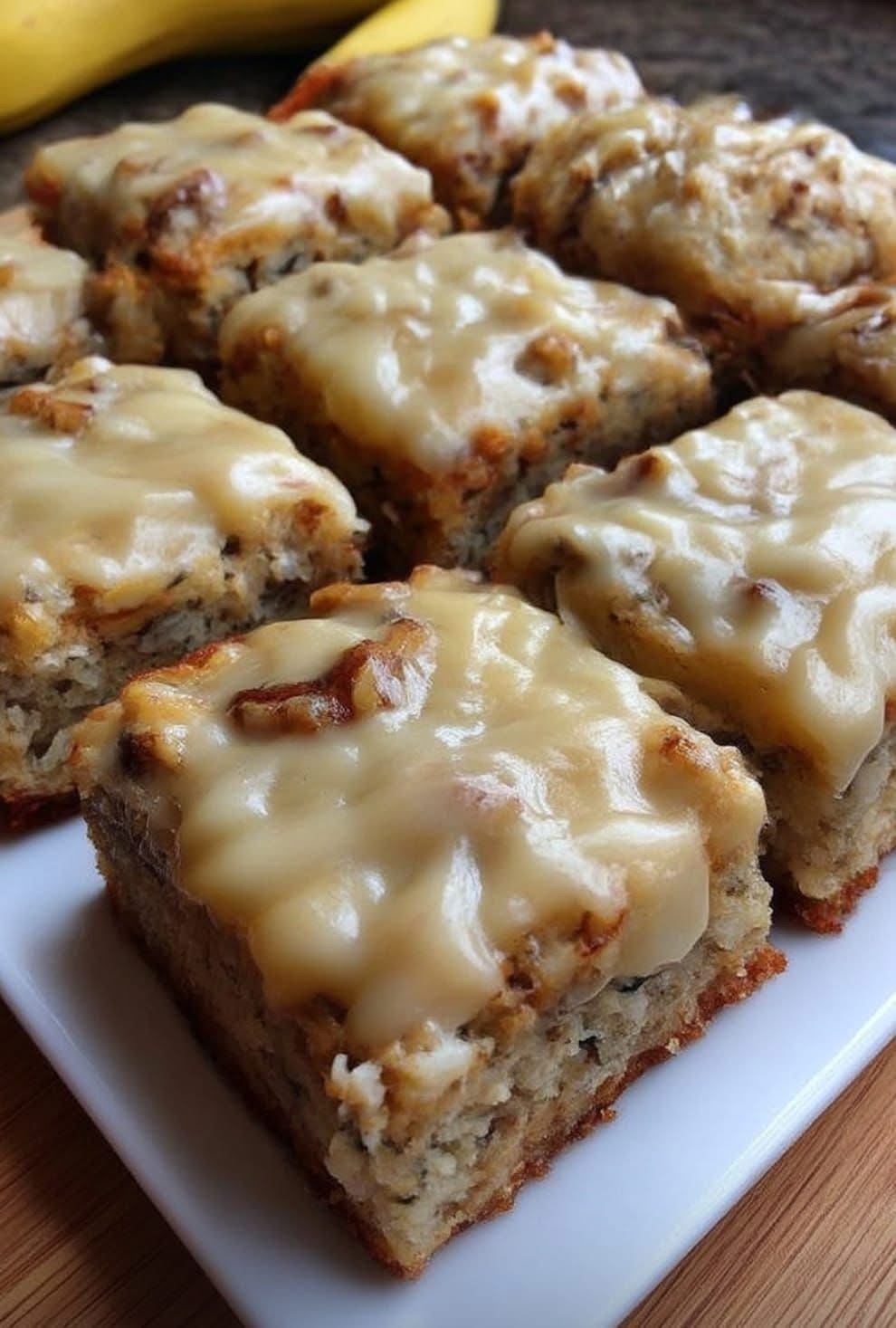
Now let’s visualize what we’re actually making.
These aren’t fudgy chocolate brownies. They’re technically banana blondies—denser than cake, softer than classic banana bread, cut into squares.
Calling them “brownies” works in a casual kitchen sense, but scientifically they’re in the blondie family.
Now, let’s think critically about the formula.
375°F is slightly on the higher side for a dense banana-based batter. Most banana breads bake around 350°F (175°C). At 375°F, you’ll get quicker browning and potentially a slightly firmer edge.
That’s not wrong—just intentional. If someone wants ultra-moist centers, dropping to 350°F and baking a few minutes longer could give a more even texture.
The sugar amount—1½ cups—is generous. This contributes to moisture and tenderness, but if someone prefers less sweetness (especially with frosting), reducing by ¼ cup would still work structurally.
Speaking of frosting: brown butter frosting is the power move here.
When butter browns, milk solids caramelize via Maillard reactions. That nutty aroma? That’s chemistry becoming flavor. It adds complexity that plain vanilla frosting can’t match.
Let’s picture that finish.
That golden-brown butter stage is crucial. Too light and you miss flavor. Too dark and it tastes bitter. Watch the color and smell. It should smell like toasted hazelnuts, not burnt toast.
A few thoughtful refinements:
– If bananas are very ripe (almost black), you can reduce sugar slightly.
– If using Greek yogurt instead of sour cream, full-fat works best for texture.
– Adding chocolate chips pushes it toward dessert territory rather than breakfast-adjacent snack.
– Walnuts add textural contrast, which helps balance softness.
Storage advice is solid. The sugar and fat keep these moist. Freezing works because the structure is dense enough to handle thawing without collapsing.
Final reality check: will this be a crowd-pleaser? Yes. It sits at the intersection of nostalgia (banana bread) and indulgence (bars with frosting). Humans are wired for that combination.
The interesting thing about recipes like this is how small tweaks change the physics. Lower sugar makes it more bread-like. Higher fat makes it richer.
Lower oven temperature makes it softer. Baking is controlled transformation—edible thermodynamics.
And that’s why recipes like this are fun. You’re not just mixing ingredients. You’re engineering texture.
-

4-Ingredient Melt-in-Your-Mouth Oven Beef Tips
Creamy Mushroom Beef Stew Creamy Mushroom Beef Stew is the kind of comforting meal that fills the kitchen with an irresistible aroma while it slowly cooks. Tender pieces of beef are combined with creamy mushroom soup, savory onion seasoning, and beef broth to create a rich and flavorful gravy. One of the best things about…
-

Crispy Herb Potato Patties
Crispy Herb Potato Patties Introduction Crispy Herb Potato Patties are a comforting and flavorful dish made from creamy mashed potatoes mixed with herbs, seasonings, and a crispy golden coating. They are easy to prepare, budget-friendly, and perfect as a side dish, appetizer, or light meal. Their crunchy exterior and soft, fluffy interior make them a…
-
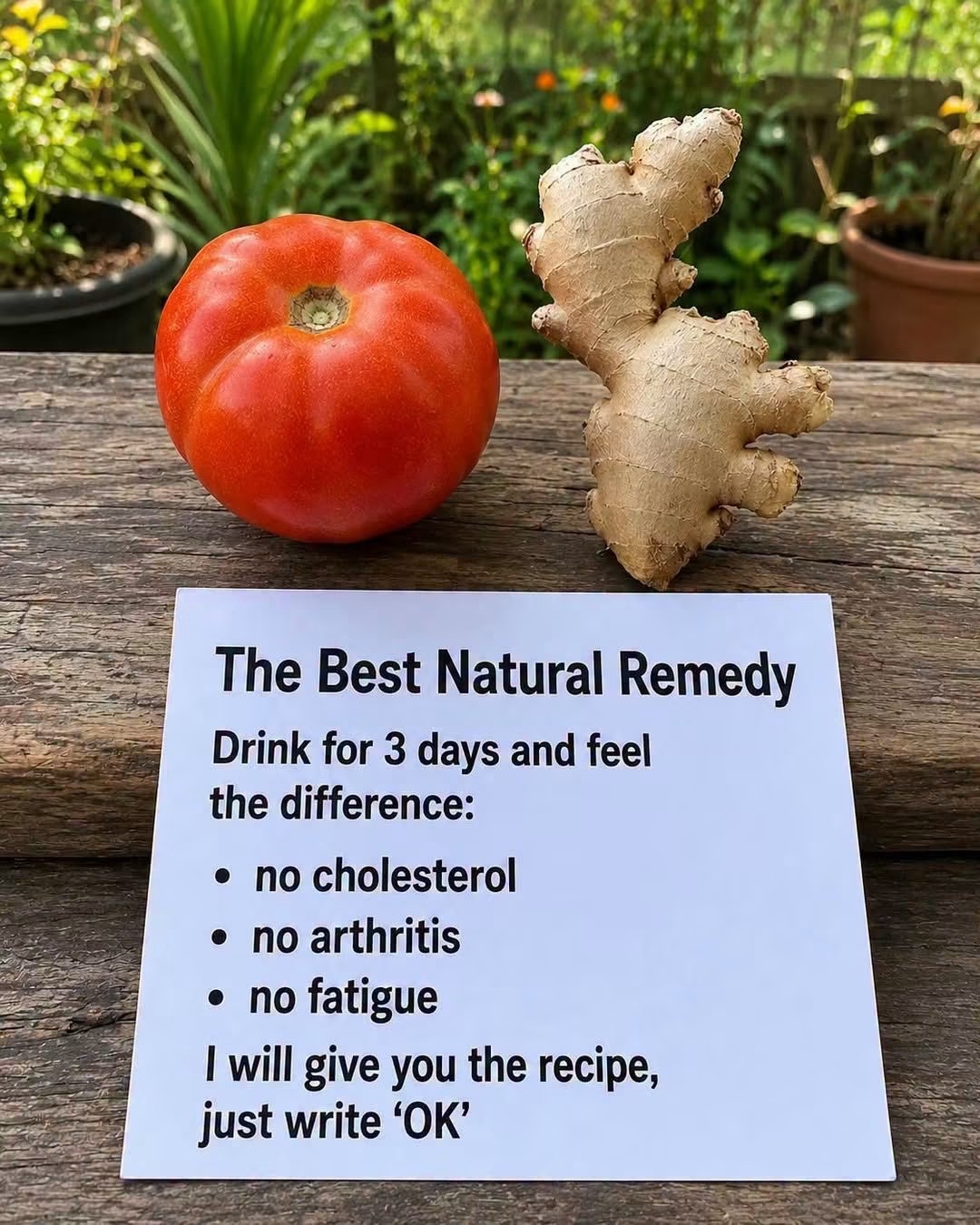
tomatoes and ginger
Tomatoes and ginger are two simple ingredients that are commonly found in many kitchens. When combined with water and a little lemon, they can create a refreshing homemade drink with a pleasant balance of sweetness, acidity, and gentle spice. Tomatoes are naturally rich in water and contain several nutrients. They provide vitamin C, potassium, and…