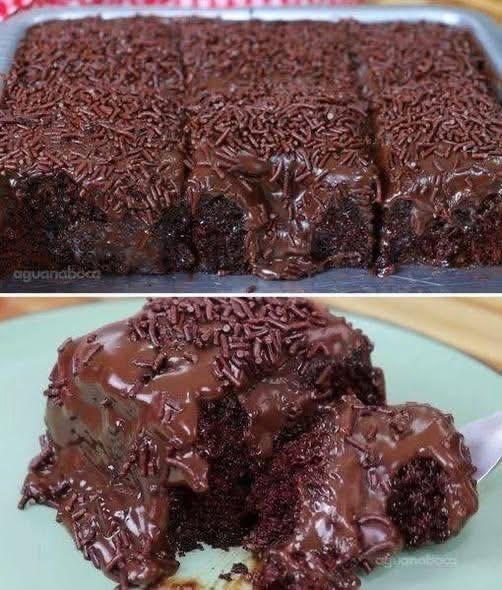
A good chocolate cake isn’t just sweet bread with cocoa thrown in. It’s a balance between structure, moisture, and air, almost like engineering disguised as dessert.
Start by preheating your oven to 180°C, or 350°F. Heat matters because cakes rely on an immediate rise; a lazy oven gives you a sad, flat result.
Choose a medium round or square pan and lightly grease it with oil or butter. Dust it with a little flour so the cake doesn’t cling like it pays rent there.
In a large bowl, place 200 grams of flour. This is the skeleton of the cake, the framework that holds everything upright.
Add 40 grams of unsweetened cocoa powder. Good cocoa is important because this is where the real chocolate flavor lives, not just the color.
Mix in 150 grams of sugar. Sugar doesn’t only sweeten; it also keeps the cake moist by holding onto water like a tiny sponge.
Stir in two teaspoons of baking powder and a small pinch of salt. The baking powder creates bubbles, and the salt sharpens the chocolate taste so it doesn’t feel flat.
Whisk all these dry ingredients together until the color looks evenly brown. This prevents bitter cocoa pockets hiding like little flavor landmines.
In a second bowl, crack two eggs. Eggs act like glue and scaffolding at the same time, binding everything while giving structure.
Pour in 120 milliliters of vegetable oil. Oil coats the flour proteins and keeps them from forming too much gluten, which is why the cake stays soft instead of chewy.
Add 180 milliliters of milk. Milk provides moisture and helps dissolve the sugar so the texture stays smooth.
Stir in a teaspoon of vanilla extract. It seems small, but vanilla quietly boosts the chocolate flavor like background music in a movie.
Whisk the wet mixture until it looks silky and uniform. You’re basically creating an emulsion, which is just a fancy word for liquids learning to get along.
Pour the wet ingredients into the bowl of dry ingredients. Fold gently with a spoon or spatula, mixing only until no dry streaks remain.
Resist the urge to overmix. Too much stirring develops gluten, and gluten makes cakes tough, which is excellent for bread and terrible for birthdays.
Now comes the trick that changes everything: add about 100 milliliters of hot water or hot coffee. The heat “blooms” the cocoa and deepens the chocolate flavor.
The batter will look thin, almost suspiciously liquid. That’s normal and actually what gives you that moist, tender crumb after baking.
Pour the batter into your prepared pan and bake for around 30 to 35 minutes, until a toothpick inserted in the center comes out mostly clean.
Let the cake cool before slicing, then enjoy a slice that’s soft, rich, and gently fudgy, proof that a bit of kitchen science can taste like pure comfort.
-

4-Ingredient Melt-in-Your-Mouth Oven Beef Tips
Creamy Mushroom Beef Stew Creamy Mushroom Beef Stew is the kind of comforting meal that fills the kitchen with an irresistible aroma while it slowly cooks. Tender pieces of beef are combined with creamy mushroom soup, savory onion seasoning, and beef broth to create a rich and flavorful gravy. One of the best things about…
-

Crispy Herb Potato Patties
Crispy Herb Potato Patties Introduction Crispy Herb Potato Patties are a comforting and flavorful dish made from creamy mashed potatoes mixed with herbs, seasonings, and a crispy golden coating. They are easy to prepare, budget-friendly, and perfect as a side dish, appetizer, or light meal. Their crunchy exterior and soft, fluffy interior make them a…
-

tomatoes and ginger
Tomatoes and ginger are two simple ingredients that are commonly found in many kitchens. When combined with water and a little lemon, they can create a refreshing homemade drink with a pleasant balance of sweetness, acidity, and gentle spice. Tomatoes are naturally rich in water and contain several nutrients. They provide vitamin C, potassium, and…