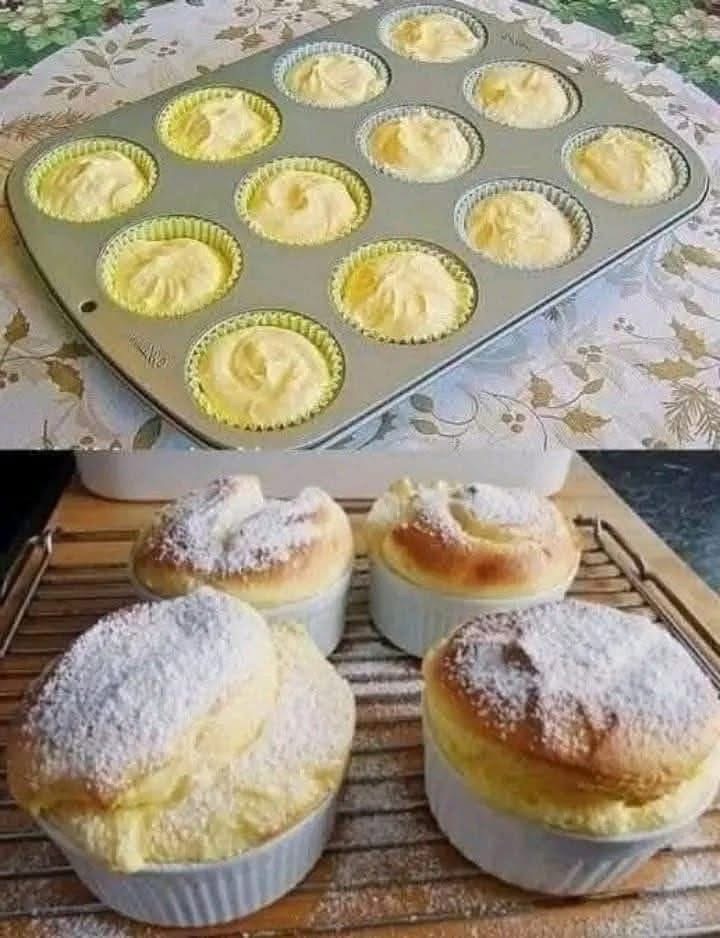
This recipe lives in an interesting borderland between culinary identities, and that alone makes it worth examining carefully. It wants to be a soufflé, but its structure tells a different story. Cooking, like science, does not care what we call something; it only responds to ratios, techniques, and physics.
A soufflé is essentially a controlled collapse waiting to happen. Its drama comes from air trapped in egg whites and moisture turning into steam. That rise is fragile, temporary, and proudly unstable. Your recipe, by contrast, builds a much sturdier scaffold.
The most important signal is the flour. One full cup of all-purpose flour introduces a heavy starch network. That network behaves like rebar in concrete, excellent for cakes, disastrous for classic soufflés.
In traditional soufflés, flour appears only as a whisper. It exists to stabilize, not to dominate. When flour becomes the main structural element, the dish stops floating and starts standing.
The inclusion of baking powder reinforces this shift. Baking powder is a chemical shortcut that replaces the need for careful egg-white handling. Once it enters the scene, the egg whites are no longer the star of the physics show.
This creates a conceptual contradiction. You are meticulously separating eggs and folding whites, yet also adding a chemical leavener that makes that effort partially redundant. Two different philosophies are trying to drive the same car.
The butter–flour roux followed by milk is technically sound, but in this quantity it resembles a thick cake base more than a soufflé panade. A soufflé base should feel light, almost reluctant to exist.
Sugar at half a cup is reasonable for a dessert, but paired with the flour amount it pushes the crumb toward sweetness and density rather than lift and delicacy. The balance leans toward comfort, not drama.
Four eggs sound generous, but eggs cannot defy mass forever. When weighed against a cup of flour, even well-whipped whites will struggle to lift the batter meaningfully.
Baking in muffin tins further nudges the result into cupcake logic. Muffin tins encourage outward browning and inward setting. Soufflés prefer vertical ambition, not horizontal compromise.
The bake time and temperature are appropriate for small cakes. A soufflé usually asks for gentler heat or precise timing because its goal is expansion, not full structural certainty.
When this dish comes out of the oven, it will puff briefly and then settle politely. That behavior is not failure; it is simply the expected outcome of cake physics.
Dusting with powdered sugar is a lovely finish, but it also signals dessert cake culture rather than classic soufflé service, which often arrives naked and trembling.
None of this makes the recipe wrong. It makes it mislabeled. Calling a sponge cake a soufflé is like calling a bicycle a glider because both can move through air.
If you renamed these “vanilla soufflé-style cakes” or “airy vanilla sponge cups,” expectations would instantly align with reality. Language matters because it sets the mental experiment.
If the true aim is a soufflé, the solution is subtraction, not addition. Less flour, no baking powder, and more trust in egg whites and steam.
If the aim is reliability and crowd-pleasing texture, then your recipe already succeeds. It trades volatility for comfort, and that is a valid culinary choice.
Cooking rewards honesty. When ingredients, technique, and naming agree, the result feels inevitable rather than surprising. Your recipe is coherent once its identity is clarified.
-
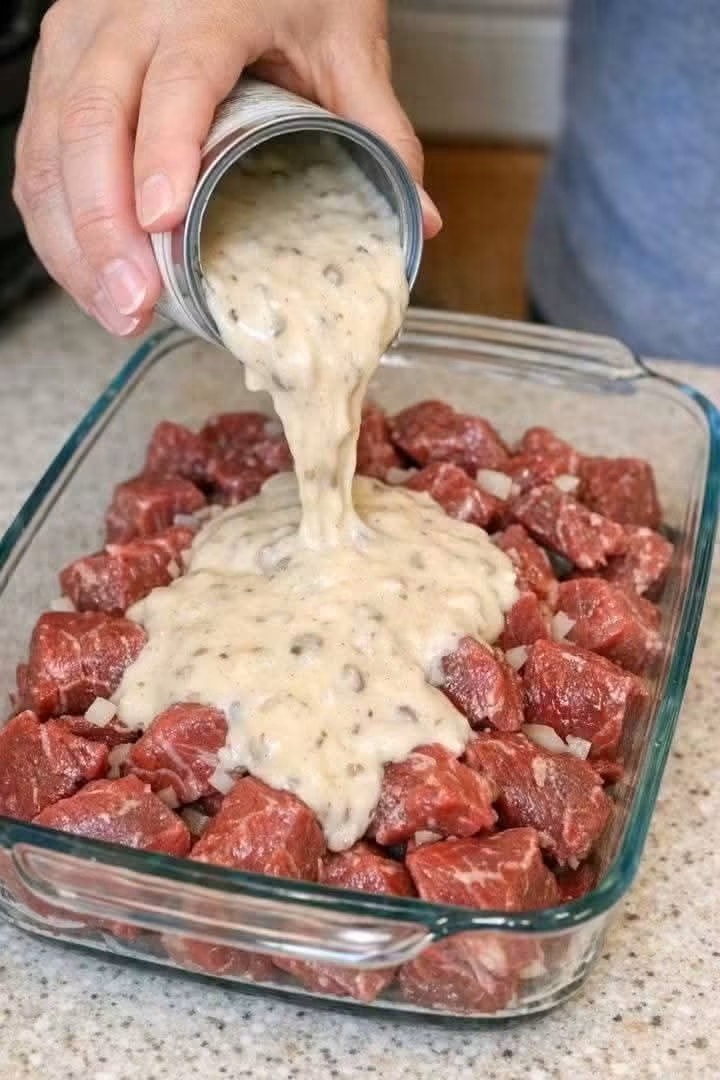
4-Ingredient Melt-in-Your-Mouth Oven Beef Tips
Creamy Mushroom Beef Stew Creamy Mushroom Beef Stew is the kind of comforting meal that fills the kitchen with an irresistible aroma while it slowly cooks. Tender pieces of beef are combined with creamy mushroom soup, savory onion seasoning, and beef broth to create a rich and flavorful gravy. One of the best things about…
-
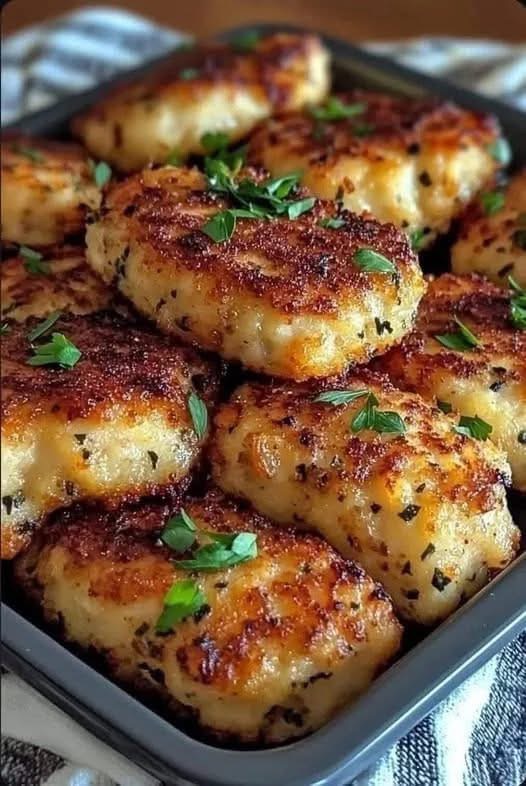
Crispy Herb Potato Patties
Crispy Herb Potato Patties Introduction Crispy Herb Potato Patties are a comforting and flavorful dish made from creamy mashed potatoes mixed with herbs, seasonings, and a crispy golden coating. They are easy to prepare, budget-friendly, and perfect as a side dish, appetizer, or light meal. Their crunchy exterior and soft, fluffy interior make them a…
-

tomatoes and ginger
Tomatoes and ginger are two simple ingredients that are commonly found in many kitchens. When combined with water and a little lemon, they can create a refreshing homemade drink with a pleasant balance of sweetness, acidity, and gentle spice. Tomatoes are naturally rich in water and contain several nutrients. They provide vitamin C, potassium, and…