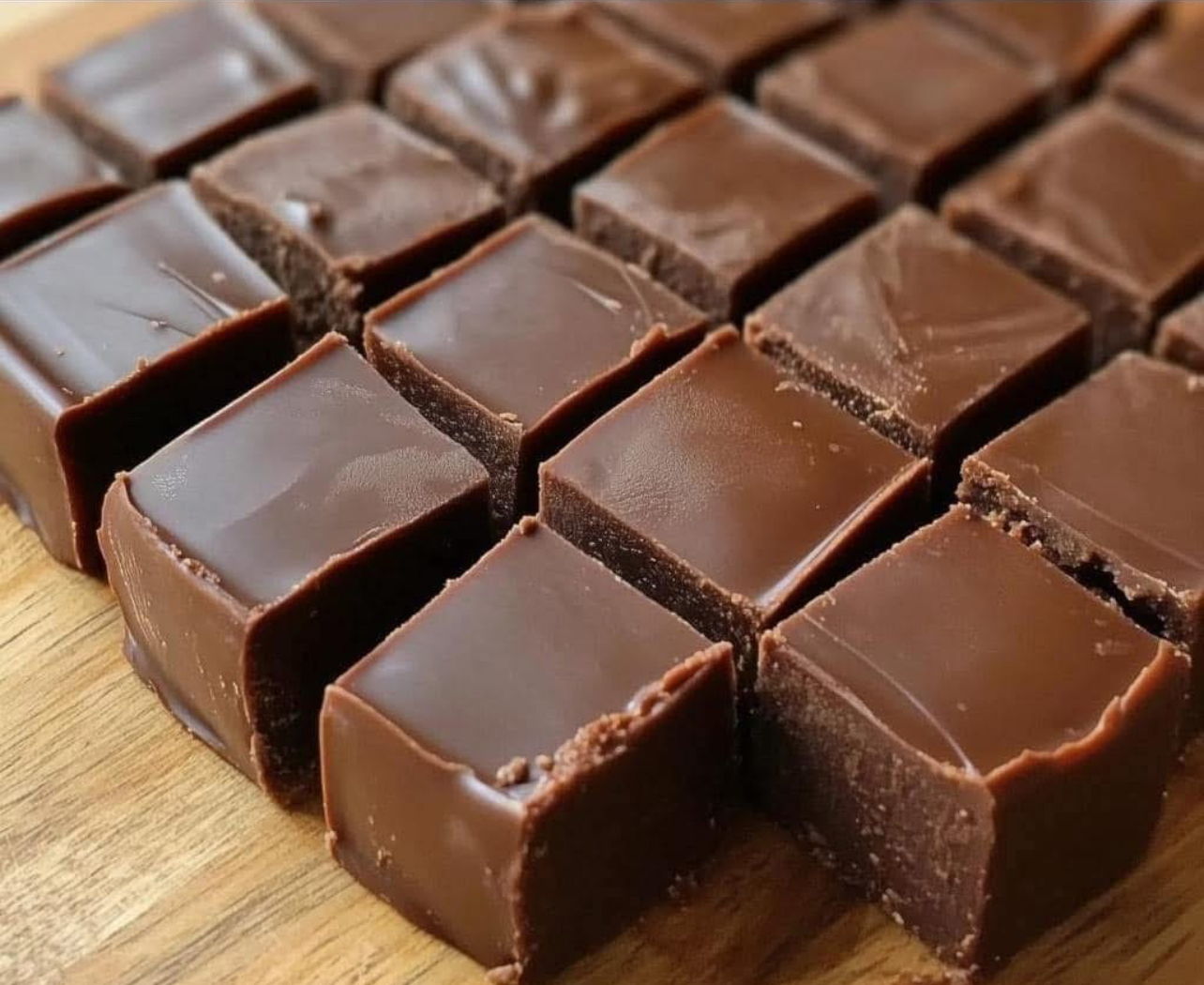
Sure! Here’s an expanded version of the Old Fashioned Fudge recipe with a bit more detail, creating a richer and more informative version:
The Timeless Appeal of Old-Fashioned Fudge
Fudge has been a beloved treat for generations, evoking nostalgia with its rich, creamy texture and sweet, indulgent flavor. Whether it’s a special occasion or a random craving, homemade fudge is always a crowd-pleaser.
While you can certainly find fudge in candy stores or specialty shops, there’s something uniquely satisfying about making it yourself. The process allows you to control every ingredient, ensuring the fudge is just the way you like it. The best part? Making fudge at home is surprisingly easy, especially with this Old-Fashioned Fudge recipe.
Fudge is the perfect treat to share with loved ones, especially around the holidays. Its smooth, melt-in-your-mouth consistency and rich chocolate flavor make it an ideal gift. While many people associate fudge with store-bought versions, homemade fudge takes this classic dessert to the next level.
By using high-quality ingredients like Hershey’s cocoa, Carnation evaporated milk, and real butter, you can create fudge that rivals any store-bought version. And with just a few simple steps, you’ll have a batch of perfect fudge ready in less than 20 minutes.
The Essential Ingredients
To make the best Old-Fashioned Fudge, you only need a handful of ingredients that are likely already in your pantry. Here’s what you’ll need:
Sugar: The foundation of any fudge recipe. Granulated sugar adds the necessary sweetness and helps create the fudge’s creamy texture.
Cocoa Powder: This adds that rich chocolatey flavor we all love. Using a quality cocoa powder like Hershey’s ensures a deep, indulgent taste.
Salted Butter: Butter adds richness to the fudge and helps it set into a smooth, glossy finish. The salted butter balances out the sweetness, creating a perfect harmony of flavors.
Carnation Evaporated Milk: This is the key ingredient that makes the fudge creamy and soft. Evaporated milk has a thicker consistency than regular milk, making it perfect for fudge-making.
Vanilla Extract: A teaspoon of vanilla enhances the flavor and adds a warm, aromatic note to the fudge.
Optional Nuts: While nuts are not essential, adding chopped walnuts or pecans can provide a delightful crunch and add texture to the otherwise smooth fudge.
The Simple Process of Making Fudge
Making fudge might seem intimidating, but the process is straightforward. Follow these steps for perfect, creamy fudge every time.
Start by mixing the sugar and cocoa powder in a saucepan. This is your base, and it’s important to combine them well to avoid any lumps. Once the dry ingredients are mixed, add in the stick of salted butter and the can of evaporated milk. Place the saucepan over medium heat and stir continuously. This is crucial because you want the butter to melt completely and the sugar to dissolve evenly.
The Boiling Stage
The next step is bringing the mixture to a boil. This is the part where patience and constant stirring come into play. Stir the fudge mixture constantly, making sure to scrape the sides of the pan to prevent any sugar crystals from forming. As it heats up, the mixture will become glossy and smooth.
Once the fudge mixture begins to boil, reduce the heat slightly to maintain a gentle simmer. You don’t want the mixture to boil too aggressively, as this can cause it to burn. Continue stirring for about 7 minutes, ensuring that it reaches the soft-ball stage, where a small drop of the mixture forms a soft ball when tested in cold water. If you don’t have a candy thermometer, this is the point when the fudge is ready to be removed from the heat.
Adding the Finishing Touches
After you’ve simmered the fudge for the correct amount of time, remove it from the heat. Now it’s time to add the vanilla extract. Stir it in thoroughly; the vanilla adds depth and complexity to the flavor. Continue to stir the mixture for another 3 minutes. This step helps the fudge firm up slightly and become the smooth, creamy texture we associate with good fudge.
If you’re adding nuts, fold them in now. Chopped walnuts, pecans, or even almonds can be mixed in for extra flavor and crunch. You can also sprinkle the nuts on top of the fudge after it’s poured into the baking dish, depending on your preference.
Pouring and Setting the Fudge
Once the fudge is ready, it’s time to pour it into a prepared dish. Butter a square or rectangular baking dish to ensure the fudge doesn’t stick. The size of the dish will affect how thick or thin your fudge will be. A smaller dish will give you thicker pieces, while a larger one will make thinner, more spread-out squares.
Pour the hot fudge mixture into the dish and smooth it out with a spatula. Allow the fudge to cool at room temperature for about an hour. It’s important not to rush this step by placing the fudge in the fridge, as this can cause it to set unevenly. Let it cool naturally, and you’ll get that perfect, glossy finish.
Troubleshooting Common Fudge Issues
Even with a simple recipe, things can occasionally go wrong. Here are a few common mistakes people make when making fudge—and how to fix them.
Fudge is Too Soft: If your fudge doesn’t set properly, it might not have reached the correct temperature during the boiling process. Next time, use a candy thermometer to ensure the fudge reaches 234°F – 240°F.
Fudge Crystallizes: This happens if you don’t stir constantly or if the sugar doesn’t dissolve properly. To avoid this, be sure to stir thoroughly, especially when the mixture starts boiling.
Fudge is Too Hard: If your fudge turns out too hard, it may have been cooked for too long or at too high a temperature. Make sure to follow the timing carefully and test the consistency with the soft-ball method.
Cutting and Serving
Once the fudge has cooled and set, it’s time to cut it into squares. Use a sharp knife to slice it into even pieces. If you’ve added nuts, be careful while cutting to ensure the pieces stay intact. Fudge is best enjoyed at room temperature, so let it sit for a bit before serving.
Storing Your Fudge
If you have any leftover fudge, storing it is easy. Simply place it in an airtight container and keep it in a cool, dry place. Fudge will stay fresh for up to two weeks, though it’s unlikely to last that long! For longer storage, you can freeze fudge for up to three months. Just be sure to wrap it tightly in plastic wrap or foil before placing it in an airtight container.
The Joy of Sharing Fudge
Homemade fudge makes a thoughtful gift, especially when wrapped in a decorative box or tied with a ribbon. It’s the perfect treat to bring to a family gathering, holiday party, or to share with neighbors. The best part is that you made it yourself, with love and care, which makes the gift even more special.
Conclusion
Making Old-Fashioned Fudge is a simple, yet incredibly rewarding process. With just a few basic ingredients and a bit of patience, you can create a delicious, melt-in-your-mouth treat that will impress anyone. Whether you’re making it for a special occasion or just because, this homemade fudge is sure to become a favorite in your recipe collection.
-

4-Ingredient Melt-in-Your-Mouth Oven Beef Tips
Creamy Mushroom Beef Stew Creamy Mushroom Beef Stew is the kind of comforting meal that fills the kitchen with an irresistible aroma while it slowly cooks. Tender pieces of beef are combined with creamy mushroom soup, savory onion seasoning, and beef broth to create a rich and flavorful gravy. One of the best things about…
-

Crispy Herb Potato Patties
Crispy Herb Potato Patties Introduction Crispy Herb Potato Patties are a comforting and flavorful dish made from creamy mashed potatoes mixed with herbs, seasonings, and a crispy golden coating. They are easy to prepare, budget-friendly, and perfect as a side dish, appetizer, or light meal. Their crunchy exterior and soft, fluffy interior make them a…
-

tomatoes and ginger
Tomatoes and ginger are two simple ingredients that are commonly found in many kitchens. When combined with water and a little lemon, they can create a refreshing homemade drink with a pleasant balance of sweetness, acidity, and gentle spice. Tomatoes are naturally rich in water and contain several nutrients. They provide vitamin C, potassium, and…