
The Secrets Behind Japan’s High Life Expectancy: Foods That Promote Longevity
Have you ever wondered why Japan consistently ranks among the countries with the highest life expectancy in the world? It’s a question many people ask, especially when considering how some of the country’s oldest physicians live well past 90 and maintain remarkably youthful appearances. The answer may lie in a simple yet powerful approach to food and health that has been practiced for generations. In this article, we’ll dive into the foods that Japanese doctors swear by, the science supporting their wisdom, and how you can incorporate these longevity secrets into your own daily routine.
The Science Behind Longevity and Cell Regeneration
Modern science has confirmed what Japanese doctors have known for centuries: the human body is in a constant state of renewal. Our cells die and regenerate, but this process naturally slows down with poor diet, stress, and exposure to toxins.
The Japanese focus on supporting and optimizing this regeneration through natural, whole foods that serve as gentle medicine. Antioxidants, vitamins, minerals, and anti-inflammatory compounds are essential for protecting your cells from damage and encouraging healthy cell renewal.
By prioritizing certain foods, you can support your body’s repair toolkit — ensuring your cells remain strong and your body ages gracefully.
The Daily Longevity Diet: Foods Japanese Doctors Swear By
Japanese doctors don’t rely on costly supplements. Instead, they emphasize whole, natural foods that have been part of their culture for centuries. Below are some of the foods that play a crucial role in their approach to longevity:
Dark Leafy Greens:
Greens such as spinach, kale, and Japanese mustard greens (komatsuna) are loaded with chlorophyll, iron, and antioxidants. These vegetables help detoxify the body and improve oxygen flow, promoting quicker cell repair and overall vitality.
Colorful Fruits:
Fruits like blueberries, citrus, and apples are rich in vitamin C and polyphenols, natural compounds that slow cellular aging and bolster the immune system. These fruits help combat oxidative stress, which is one of the leading causes of aging at the cellular level.
Fatty Fish:
Salmon, sardines, and mackerel are staples in the Japanese diet, packed with omega-3 fatty acids.
These healthy fats are essential for heart health, reducing inflammation, and promoting youthful skin. Omega-3s play a critical role in maintaining brain function and preventing chronic diseases associated with aging.
Legumes and Soy:
Tofu, edamame, and fermented soy products like miso and natto provide clean, plant-based protein and isoflavones, compounds that help balance hormones and protect against age-related conditions. Soy is especially beneficial for supporting skin health and reducing wrinkles.
Nuts and Seeds:
Walnuts, sesame seeds, and chia seeds are rich in healthy fats, fiber, and minerals that enhance brain function and stabilize energy levels throughout the day.
These small but mighty foods are packed with antioxidants that protect the body from aging and inflammation.
Herbs and Anti-Aging Spices:
Ingredients like ginger, turmeric, garlic, and green tea are natural anti-inflammatories with potent health benefits. They boost circulation, help cleanse the body, and possess strong anti-cancer properties. Green tea, in particular, is rich in catechins, which have been shown to improve brain health and prevent cell damage.
Sea Vegetables and Mushrooms:
Seaweed varieties like nori and wakame, along with shiitake mushrooms, are packed with iodine, zinc, and immune-boosting polysaccharides. These nutrient-dense foods support long-term vitality by enhancing immune function and improving skin health.
How to Eat Like a Japanese Doctor
The secret to longevity isn’t just about the specific foods you eat — it’s also about how you eat. Japanese doctors and centenarians practice mindful eating, which is just as important as the quality of their food. Here are some key principles to help you adopt the same approach:
Eat Smaller Portions, More Variety:
Rather than overeating at each meal, focus on eating smaller portions and incorporating a variety of colors and textures into your meals.
A colorful plate indicates a range of vitamins and nutrients, helping to nourish your body with everything it needs.
Avoid Processed Foods and Excess Sugar:
Highly processed foods and excess sugar can accelerate cellular aging, inflammation, and disease. Stick to whole foods as much as possible to nourish your cells from the inside out.
Stay Hydrated:
Drinking plenty of water or unsweetened green tea throughout the day supports hydration and helps flush toxins from the body. Hydration is key to maintaining cell health and overall well-being.
Balance Your Meals:
Every meal should include a balance of protein, healthy fats, and fiber. These nutrients work together to stabilize blood sugar, support digestion, and keep you feeling full longer.
Practice Slow, Mindful Eating:
The Japanese practice “Hara Hachi Bu,” which means eating until you’re 80% full. Eating slowly and mindfully allows your body to signal when it’s satisfied, preventing overeating and supporting healthy digestion.
Lessons from Japan’s Centenarians
Regions in Japan like Okinawa, known as the “Land of Immortals,” are home to many centenarians — individuals who live well past 100 years with sharp minds and healthy bodies. What’s their secret? Their longevity is attributed to a simple, natural diet combined with daily physical activity and a positive mindset. The Okinawan diet emphasizes fresh vegetables, fatty fish, tofu, and green tea, while limiting processed foods and red meat. They also focus on eating in moderation, rarely overeating. However, their healthy aging is not just due to diet; their calm approach to life, strong community connections, and gratitude for daily life also play a crucial role.
The Takeaway: Eat Smart, Age Slowly
The wisdom of Japan’s oldest doctors reveals one clear truth: longevity is not a mystery — it’s a habit. By consistently eating antioxidant-rich foods and prioritizing your body’s cell regeneration, you can maintain good health and slow the aging process. You don’t need extreme diets or miracle pills — just balance, consistency, and respect for the food you put into your body.
Start small today: swap processed snacks for nutrient-dense nuts, add green tea to your morning routine, or enjoy a serving of fatty fish like salmon twice a week. Each small change brings you closer to a healthier, longer life. Your future self will thank you.
-

4-Ingredient Melt-in-Your-Mouth Oven Beef Tips
Creamy Mushroom Beef Stew Creamy Mushroom Beef Stew is the kind of comforting meal that fills the kitchen with an irresistible aroma while it slowly cooks. Tender pieces of beef are combined with creamy mushroom soup, savory onion seasoning, and beef broth to create a rich and flavorful gravy. One of the best things about…
-

Crispy Herb Potato Patties
Crispy Herb Potato Patties Introduction Crispy Herb Potato Patties are a comforting and flavorful dish made from creamy mashed potatoes mixed with herbs, seasonings, and a crispy golden coating. They are easy to prepare, budget-friendly, and perfect as a side dish, appetizer, or light meal. Their crunchy exterior and soft, fluffy interior make them a…
-
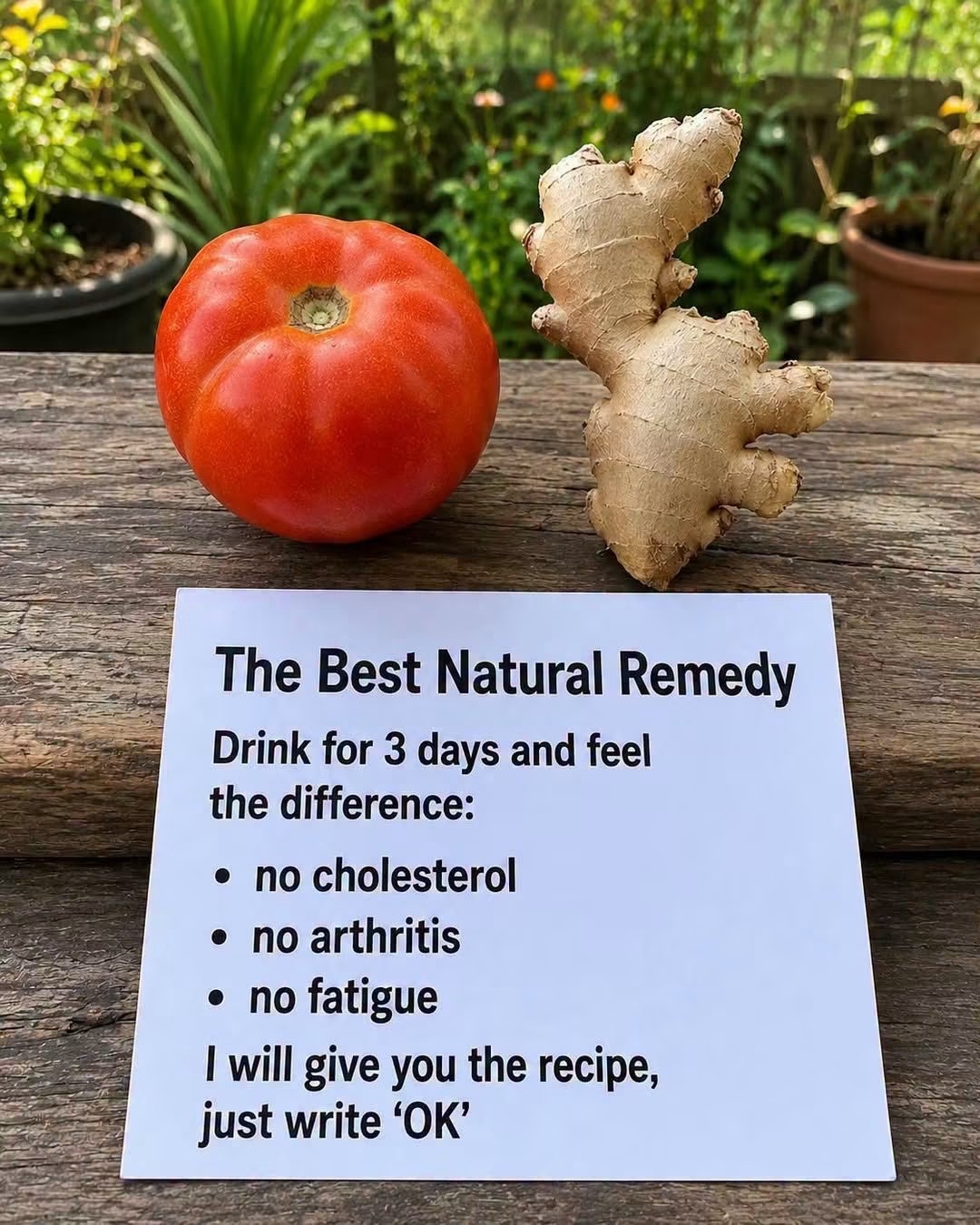
tomatoes and ginger
Tomatoes and ginger are two simple ingredients that are commonly found in many kitchens. When combined with water and a little lemon, they can create a refreshing homemade drink with a pleasant balance of sweetness, acidity, and gentle spice. Tomatoes are naturally rich in water and contain several nutrients. They provide vitamin C, potassium, and…