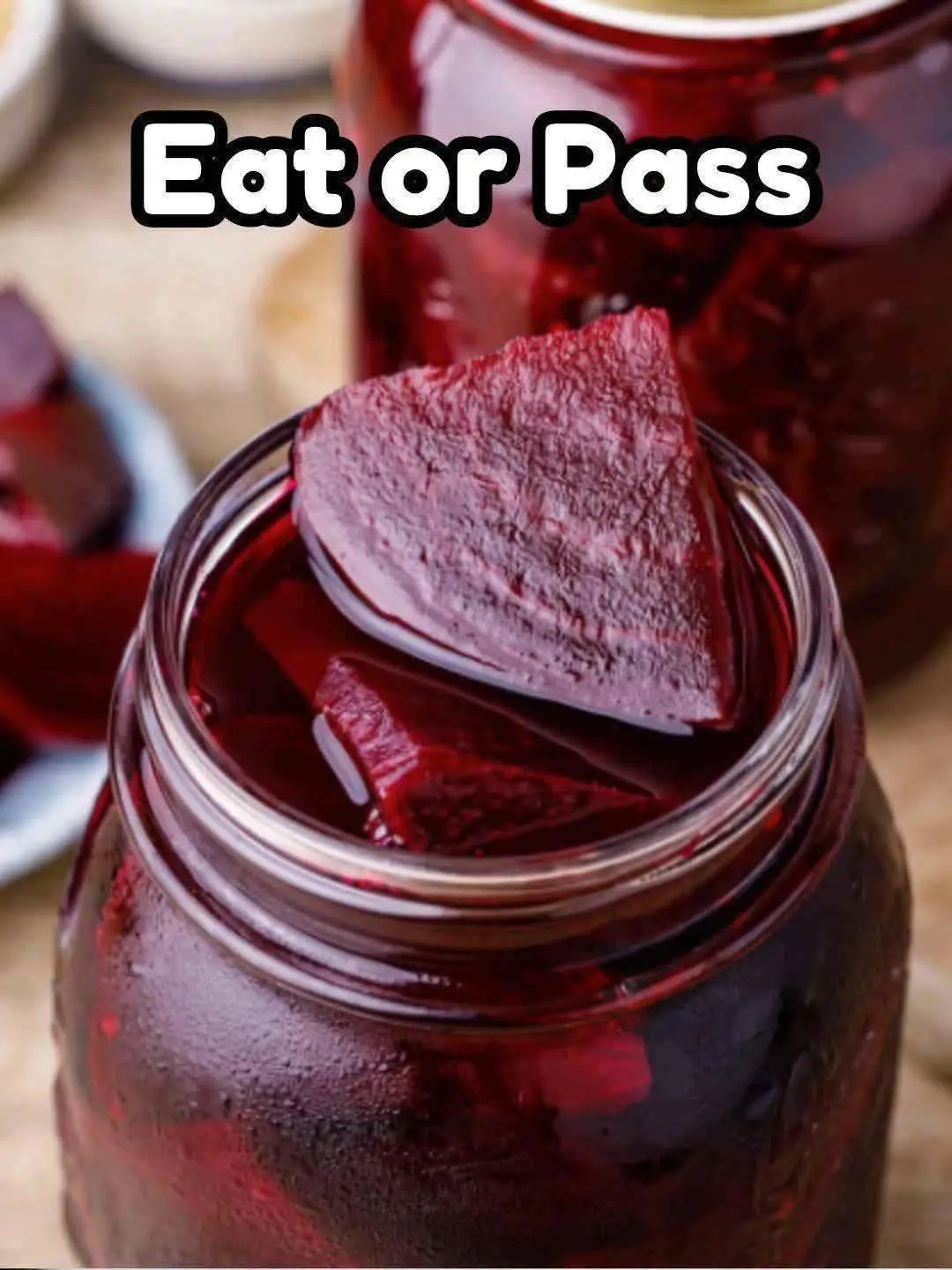
Introduction to Pickled Beets
Pickled beets are a vibrant, tangy-sweet delicacy that transforms humble beets into a versatile condiment, side dish, or salad star.
With roots in Eastern European, Jewish, and classic American cuisine, this simple preserve balances earthy sweetness with a bright vinegar punch.
Whether you’re looking to add a pop of color to your meals, extend the harvest, or just enjoy a nostalgic bite, homemade pickled beets are far superior to store-bought versions—with no artificial additives and endless customization options.
This easy recipe uses just beets, vinegar, and sugar, but invites creativity with spices, aromatics, or even a touch of heat. Perfect for meal prep, gift-giving, or elevating weeknight dinners, pickled beets are as practical as they are delicious. Let’s make a jar!
(Want a fun fact? The deep red hue comes from betanin, a natural pigment that’s also an antioxidant!) 🌱
Here’s a simple and classic Pickled Beets recipe using your ingredients:
Pickled Beets Recipe
Ingredients:
8 medium-sized beets
1 cup vinegar (white or apple cider vinegar)
½ cup sugar
1 cup water
1 tsp salt (optional, for balance)
Optional spices: 1 cinnamon stick, ½ tsp peppercorns, 2 cloves, or 1 bay leaf
Instructions:
Prepare the Beets:
Wash and trim the beets, leaving about 1 inch of stems to prevent bleeding.
Boil or roast until tender (about 30-45 mins). Cool, then peel and slice or quarter.
Make the Brine:
In a saucepan, combine vinegar, water, sugar, and salt (plus spices if using).
Bring to a boil, then simmer for 5 minutes until sugar dissolves.
Pack the Jars:
Place beets in sterilized jars (or a large bowl if refrigerating).
Pour hot brine over the beets, ensuring they’re fully submerged.
Store:
For fridge pickles: Cool, then refrigerate for at least 24 hours before eating (keeps 2-3 weeks).
For canning: Process in a water bath for 10 mins to seal (extends shelf life).
Tips:
Add sliced onions or garlic for extra flavor.
Adjust sugar/vinegar ratio to taste (more sugar for sweetness, more vinegar for tang).
Enjoy your homemade pickled beets! They’re great in salads, sandwiches, or as a side. 😊
Storage & Serving Suggestions for Pickled Beets
Storage:
Refrigerator: Store in an airtight container for up to 2–3 weeks. The flavor improves after 1–2 days.
Canning (Long-Term): If properly canned in sterilized jars with a water bath (10 mins processing), they can last up to 1 year in a cool, dark place. Once opened, refrigerate and use within 3 weeks.
Freezing: Not recommended—pickled beets become mushy when frozen.
Serving Suggestions:
Classic Side Dish: Serve chilled or at room temperature alongside roasted meats, grilled chicken, or pork.
Salads: Toss into green salads, grain bowls, or a classic Harvard beet salad (with feta, walnuts, and greens).
Sandwiches & Wraps: Add a tangy crunch to burgers, grilled cheese, or veggie wraps.
Charcuterie Boards: Pair with cheeses (goat cheese or sharp cheddar), cured meats, and crackers.
Deviled Eggs: Top with diced pickled beets for a colorful twist.
With Dairy: Enjoy with sour cream, labneh, or Greek yogurt for a creamy contrast.
Bonus: The leftover brine can be used in dressings or even as a pickled beet martini mixer!
Would you like any variations (spicy, sweet, or herb-infused)? 😊
-

4-Ingredient Melt-in-Your-Mouth Oven Beef Tips
Creamy Mushroom Beef Stew Creamy Mushroom Beef Stew is the kind of comforting meal that fills the kitchen with an irresistible aroma while it slowly cooks. Tender pieces of beef are combined with creamy mushroom soup, savory onion seasoning, and beef broth to create a rich and flavorful gravy. One of the best things about…
-

Crispy Herb Potato Patties
Crispy Herb Potato Patties Introduction Crispy Herb Potato Patties are a comforting and flavorful dish made from creamy mashed potatoes mixed with herbs, seasonings, and a crispy golden coating. They are easy to prepare, budget-friendly, and perfect as a side dish, appetizer, or light meal. Their crunchy exterior and soft, fluffy interior make them a…
-

tomatoes and ginger
Tomatoes and ginger are two simple ingredients that are commonly found in many kitchens. When combined with water and a little lemon, they can create a refreshing homemade drink with a pleasant balance of sweetness, acidity, and gentle spice. Tomatoes are naturally rich in water and contain several nutrients. They provide vitamin C, potassium, and…