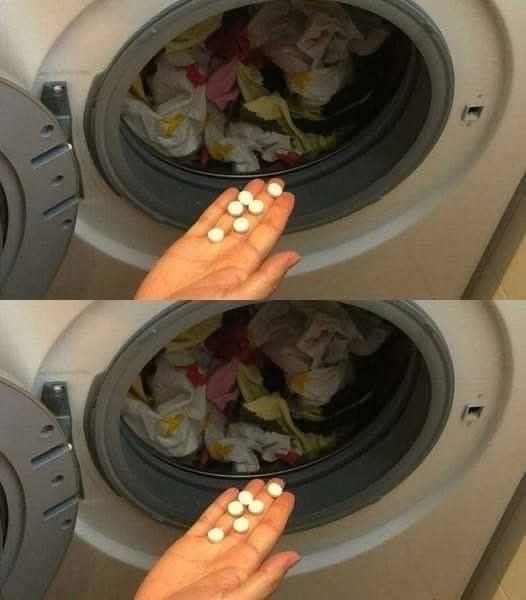
Clothes have a strange way of telling time. The more we wear them, wash them, and hang them in the sun, the more their colors slowly soften. That bright red becomes muted. That deep black turns charcoal. It feels like the life has drained out of them.
Before we try to “fix” fading, it helps to understand what fading actually is. In most cases, it’s not dirt sitting on the surface.
It’s the chemical breakdown of dye molecules inside the fibers. Sunlight, heat, friction, and detergents slowly damage those molecules.
Ultraviolet light from the sun is one of the biggest culprits. UV radiation breaks the chemical bonds that give dyes their color. Once those bonds are broken, the original shade cannot truly be restored. That’s not a marketing opinion. That’s chemistry.
Frequent washing also contributes. Agitation in the washing machine creates friction. Friction weakens fibers and loosens dye particles. Over time, the fabric loses depth and richness.
Harsh detergents accelerate the process. Many contain strong cleaning agents designed to strip oils and stains. Unfortunately, they can also strip loosely bound dye molecules. The cleaner the detergent, the harsher it can be on color.
Minerals in hard water add another layer to the problem. Calcium and magnesium deposits can build up on fabric. This residue dulls the surface and makes colors appear lifeless even if the dye is still present.
Now here’s the important distinction: sometimes clothes look faded because of residue buildup, not because the dye is gone. In those cases, cleaning methods can help. When dye molecules are chemically destroyed, only recoloring can fix it.
Vinegar is often recommended as a solution. Scientifically, vinegar is a mild acid. It can dissolve detergent residue and soften mineral buildup. This can make clothes look brighter, but it does not recreate lost pigment.
Salt is frequently paired with vinegar. Salt can help set dye during the first washes of new garments.
However, it does not reverse fading once it has already happened. Its power is preventive, not restorative.
Baking soda is another popular suggestion. It works mainly as a cleaning booster. By neutralizing odors and lifting residues, it can improve the appearance of dull fabrics. Again, the improvement comes from better cleaning, not dye repair.
Tea and coffee are more creative approaches. They contain tannins, natural compounds that stain fabric.
When applied to dark clothes, they can slightly deepen the tone. But this is technically adding a new stain, not reviving the original dye.
This method can work visually on black or brown fabrics. However, it may slightly alter the shade toward a warmer brown tone. It’s cosmetic enhancement rather than true restoration.
Fabric dye is the only method that genuinely restores strong color. Dyeing reintroduces pigment into the fibers. When done properly and matched to the correct fabric type, the results can be impressive.
Cotton absorbs dye relatively easily. Synthetic fabrics like polyester are more resistant and require specialized dyes and high heat. Without the right match, dyeing can be uneven or ineffective.
Prevention, however, is far more powerful than repair. Washing clothes inside out reduces surface friction. This protects the outer layer where color is most visible.
Using cold water slows chemical reactions that break down dye. Heat accelerates molecular damage. Lower temperatures mean longer-lasting color.
Avoiding direct sunlight when drying clothes is also crucial. Sunlight feels natural and harmless, but its UV radiation steadily fades fabric. Shade drying can dramatically extend color life.
Color-protecting detergents are formulated to be gentler on dyes. They reduce the stripping effect seen with heavy-duty cleaners. Choosing the right detergent makes a measurable difference over time.
There’s also a philosophical layer here. Clothes age the way objects naturally do. Some fading reflects wear, memory, and experience. Not every change needs to be reversed.
In the end, simple household methods can improve dullness caused by residue. True color restoration requires new dye.
Understanding the difference allows you to care for your wardrobe wisely, extending its life without falling for unrealistic promises.
-

Amish Pineapple Dump Cake Is the Laziest, Most Delicious Dessert You’ll Ever Make
The Anatomy of the Perfect Dump Cake Great Amish pineapple dump cake has four essential components, all achieved through the magic of layering. The Fruit: Crushed pineapple provides sweetness, acidity, … Read more
-

Discover the Simple Japanese Morning Habit That May Help Support Your Colon Health Naturally
Understanding Colon Health and Why It MattersYour colon plays a key role in your body’s waste elimination process, absorbing water and nutrients while moving things along. When things slow down, … Read more
-

3-Ingredient Slow Cooker BBQ Country Style Ribs
Ever dream of a meal that tastes like it took all day to make, but only requires a handful of ingredients and minimal effort? Imagine tender, succulent pork ribs, coated … Read more