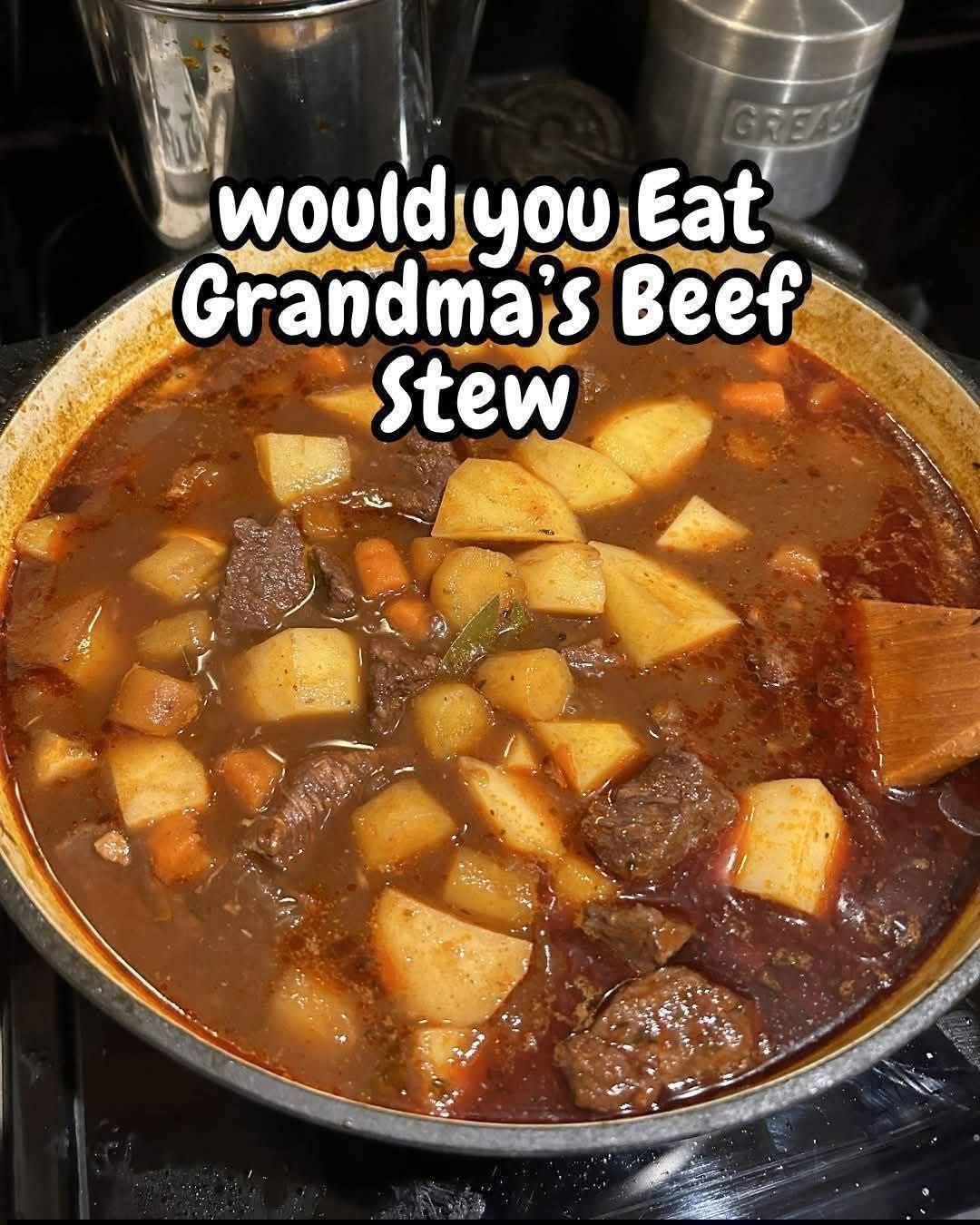
Beef stew is one of those dishes that feels older than recipes themselves. Long before written instructions, people were simmering tough cuts of meat in pots over fire, discovering that time and gentle heat could turn something stubborn into something tender. That’s the quiet wisdom behind grandma’s beef stew.
Grandma never rushed stew. She understood something modern kitchens sometimes forget: flavor is a negotiation between heat, time, and patience. The slower the conversation, the richer the outcome.
She always chose beef chuck. Not the prettiest cut, not the most expensive, but the one with enough connective tissue to transform during cooking. As collagen melts into gelatin, the broth becomes silky without needing tricks.
Before anything touched the pot, the beef was dried carefully. Moisture prevents proper browning. Browning is not just color; it’s chemistry. The Maillard reaction creates deep, savory notes that define the stew’s soul.
A light coating of flour clung to the beef cubes. This helped with browning and later thickened the broth naturally. Nothing artificial, nothing rushed.
The pot was heavy—cast iron or thick steel. Thin pots scorch. Thick pots cradle heat gently, distributing it evenly like a warm blanket.
Oil shimmered before the beef went in. Not crowded, never crowded. Steam is the enemy of sear. Each piece needed space to caramelize properly.
Once browned, the beef rested aside while onions entered the pot. Onions softened and released sweetness, forming the aromatic base of everything that followed.
Carrots and celery joined next. This trio—often called mirepoix in French cooking—is a foundational flavor structure. It’s the quiet architecture of countless traditional dishes.
Garlic followed briefly, just enough to bloom its aroma without burning. Burned garlic turns bitter, and bitterness has no place in a grandmother’s stew.
A spoonful of tomato paste deepened the color and added gentle acidity. Cooking it for a minute removed its raw edge and intensified its richness.
The beef returned home to the pot. Broth was poured in slowly, just enough to cover the ingredients. Too much liquid dilutes flavor. Too little invites scorching.
A bay leaf and a pinch of thyme slipped into the mixture. Herbs in stew are subtle companions, not loud performers. They whisper complexity rather than shout.
The pot came to a boil only briefly. Then the heat lowered to a steady simmer. Boiling aggressively toughens meat; simmering coaxes it toward tenderness.
For over an hour, the stew murmured quietly. Tiny bubbles rose lazily to the surface. This is where transformation happened, unseen but profound.
Potatoes were added later. If added too early, they break apart. Timing matters. Cooking is choreography, even when it looks simple.
As the stew thickened, the aroma filled the kitchen. It wasn’t just smell; it was memory forming in real time.
Grandma always tasted before serving. Salt adjusted, pepper balanced. Cooking without tasting is guessing, and guessing is not wisdom.
The stew rested off the heat for a few minutes. Resting allows flavors to settle and distribute evenly. Even food benefits from a moment of reflection.
When served, it wasn’t flashy. Just tender beef, soft vegetables, and a rich broth clinging to each spoonful. Simple ingredients, transformed by patience—proof that time, applied correctly, is one of the most powerful ingredients in any kitchen.
-

Amish Pineapple Dump Cake Is the Laziest, Most Delicious Dessert You’ll Ever Make
The Anatomy of the Perfect Dump Cake Great Amish pineapple dump cake has four essential components, all achieved through the magic of layering. The Fruit: Crushed pineapple provides sweetness, acidity, … Read more
-

Discover the Simple Japanese Morning Habit That May Help Support Your Colon Health Naturally
Understanding Colon Health and Why It MattersYour colon plays a key role in your body’s waste elimination process, absorbing water and nutrients while moving things along. When things slow down, … Read more
-
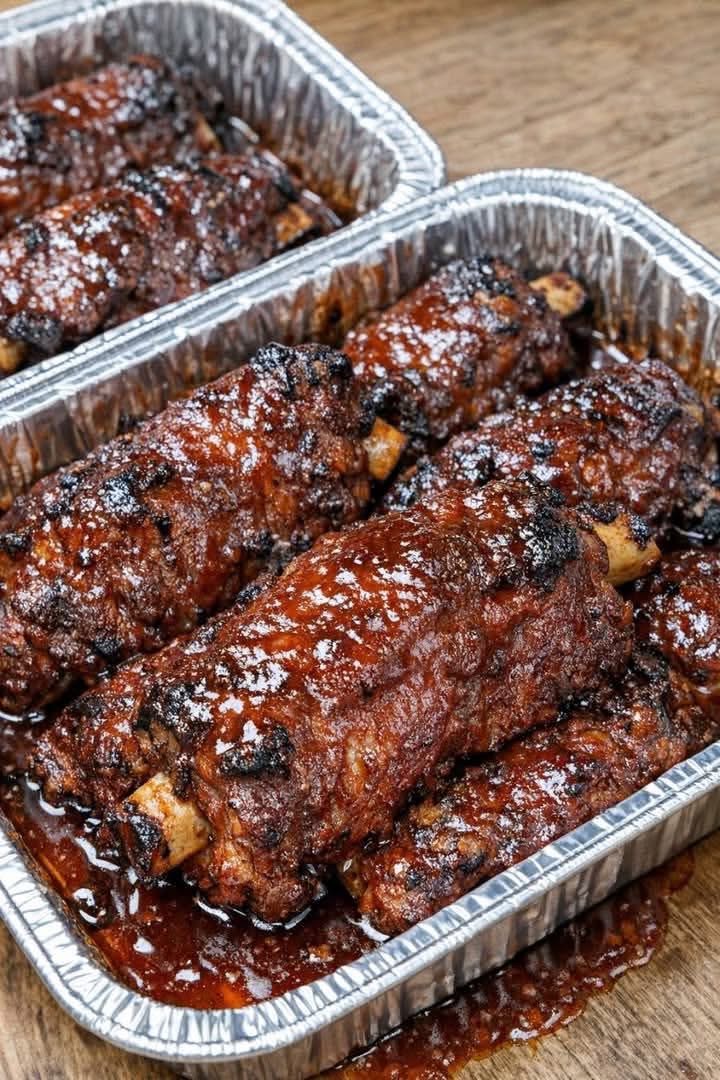
3-Ingredient Slow Cooker BBQ Country Style Ribs
Ever dream of a meal that tastes like it took all day to make, but only requires a handful of ingredients and minimal effort? Imagine tender, succulent pork ribs, coated … Read more