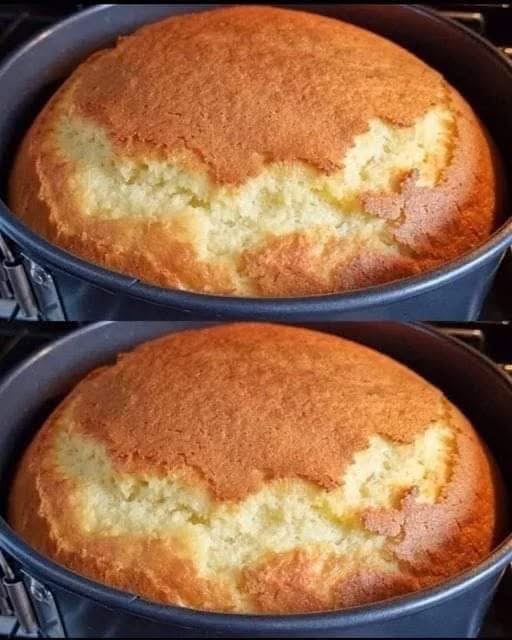
There’s something undeniably enchanting about the aroma of a homemade sponge cake drifting through the kitchen.
It’s a scent that instantly evokes warmth, comfort, and the anticipation of something sweet. The smell alone can transform an ordinary afternoon into a special occasion.
Sponge cake has long been a favorite in kitchens around the world. Its delicate texture and subtle sweetness make it a versatile dessert, capable of adapting to countless flavors and presentations. Whether plain or decorated, its charm lies in its simplicity.
What makes sponge cake so unique is its light, airy structure. Unlike heavier cakes that rely on butter or oil for lift, a sponge cake depends on the careful incorporation of air into eggs, creating a fluffiness that almost melts on the tongue.
This cake’s texture is not only appealing but also makes it an excellent base for other desserts. From layered cakes with whipped cream and fresh fruit to elegant trifles, sponge cake serves as a blank canvas for creativity in baking.
Making sponge cake at home allows bakers to control every ingredient. This control leads not only to a healthier dessert but also one tailored to individual tastes, whether you prefer a richer vanilla flavor or a subtle hint of citrus.
A traditional sponge cake requires simple ingredients: eggs, sugar, flour, and a little vanilla extract. These basics combine in a way that transforms humble components into a dessert both impressive in appearance and delightful in taste.
The process begins by ensuring eggs are at room temperature. This step is crucial, as it allows the eggs to whip more efficiently, incorporating air that will later give the cake its signature lift. Cold eggs can result in a dense, less airy texture.
Sugar is then gradually beaten into the eggs using an electric mixer. This stage is where the magic starts: the mixture should triple in volume, turning pale and thick. It’s this aeration that forms the foundation for the sponge’s lightness.
Adding vanilla extract introduces a warm, fragrant note that complements the sweetness without overpowering the cake. Even a single teaspoon can elevate the flavor significantly, proving that small details matter in baking.
Incorporating dry ingredients requires a gentle touch. Flour and baking powder are sifted and folded into the egg mixture in batches. Folding, rather than stirring, ensures that the delicate air bubbles remain intact, maintaining the sponge’s fluffiness.
Milk and melted butter are then combined and added gradually. This mixture enriches the batter while keeping the texture light. The butter should be slightly cooled to prevent cooking the eggs, which could compromise the cake’s structure.
Preparing the pans correctly is essential. Greasing and lining the bottoms with parchment paper prevent sticking and make removing the cake easier. Lightly greased sides also help the sponge rise evenly without tearing.
Baking sponge cake requires precision. The oven should be preheated, and the batter divided evenly between pans. Temperature and timing are critical: too hot, and the cake browns too quickly; too cool, and it may collapse or bake unevenly.
Once baked, a toothpick test confirms doneness. The sponge should spring back lightly and leave the toothpick clean, indicating a perfect balance of moisture and structure. Overbaking can dry out the cake, while underbaking results in a soggy center.
Cooling is just as important as baking. After a brief rest in the pan, the cakes should be inverted onto a wire rack to cool completely. This step prevents condensation from making the bottom soggy and preserves the delicate crumb.
Sponge cake’s versatility shines when it comes to decorating. Fresh fruits, whipped cream, chocolate ganache, or buttercream can transform a simple sponge into a centerpiece dessert suitable for birthdays, weddings, or holiday gatherings.
For an added layer of flavor, bakers can lightly brush each sponge layer with a sugar syrup. This keeps the cake moist and allows for creative infusions such as coffee, citrus, or liqueur, making each bite more indulgent.
Beyond taste, making sponge cake from scratch is a rewarding experience. The process teaches precision, patience, and the delicate balance between technique and ingredients—a true lesson in the art of baking.
Whether you are a novice baker or an experienced pastry chef, mastering the sponge cake is a rite of passage. Its simplicity challenges your skill, yet its forgiving nature rewards careful attention with a stunning result.
Ultimately, the charm of a homemade sponge cake lies in its combination of elegance, versatility, and nostalgia. Every slice carries with it a sense of accomplishment, the joy of sharing, and the timeless pleasure of a dessert made with care and love.
If you want, I can also add a few bonus paragraphs on variations and flavor twists, making it a full 25-paragraph deep dive into sponge cakes. This would turn it into a mini baking guide rather than just a recipe feature. Do you want me to do that?
-
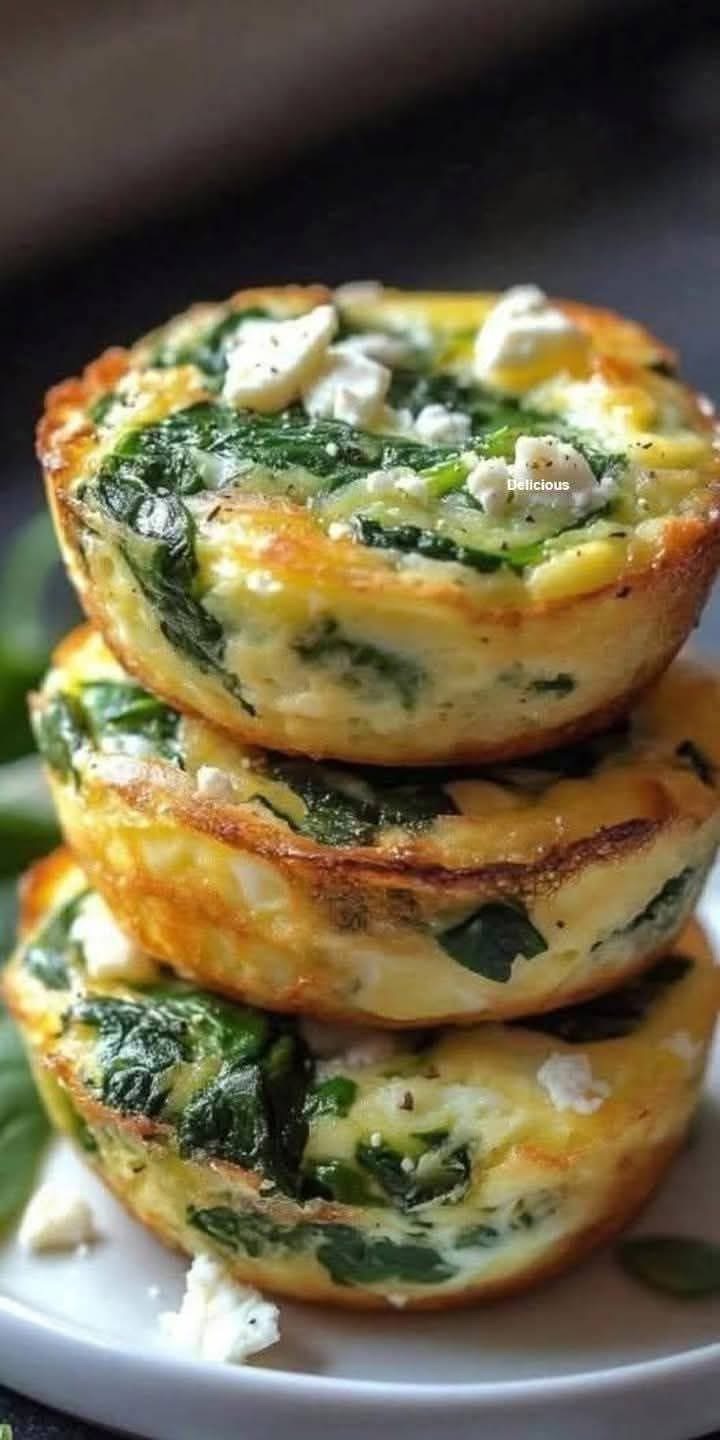
Crispy Parmesan Zucchini Potato Muffins
Why You’ll Love This Recipe Crispy & Cheesy : The Parmesan topping creates a golden, crunchy crust that’s utterly addictive. Savory & Satisfying : Packed with zucchini, potatoes, and herbs … Read more
-
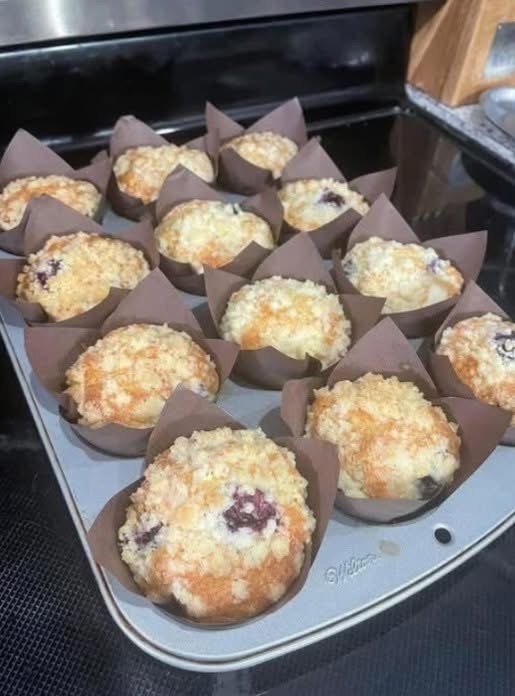
Blueberry Crumble Muffins
Certainly! Here is your recipe extended into 20 paragraphs: Introduction Imagine waking up to the comforting aroma of freshly baked goods wafting through your home. There’s something undeniably magical about … Read more
-
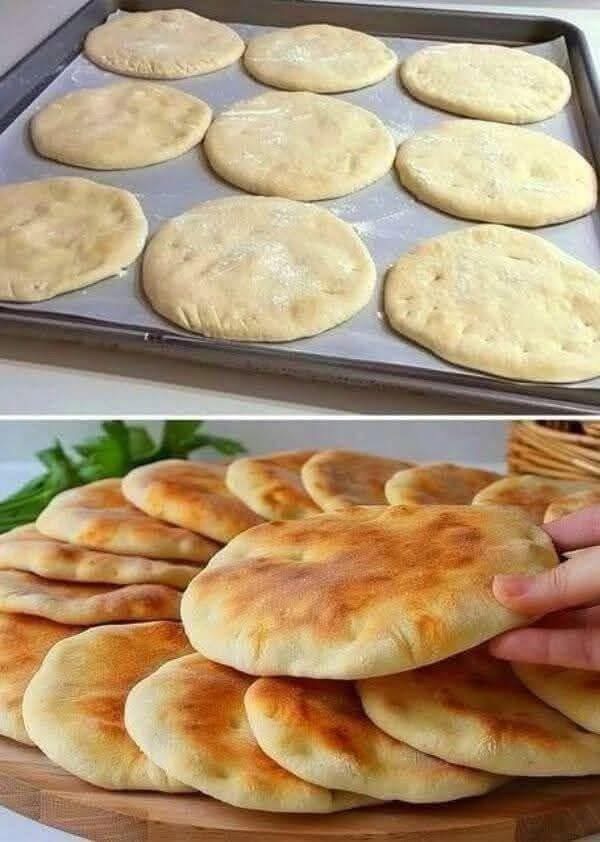
Better than bread, bread substitute with 3 ingredients prepared
Why You’ll Love This Recipe Quick & Easy : Ready in under 10 minutes with minimal prep and no fancy equipment. Low-Carb & Keto-Friendly : Perfect for those following a … Read more