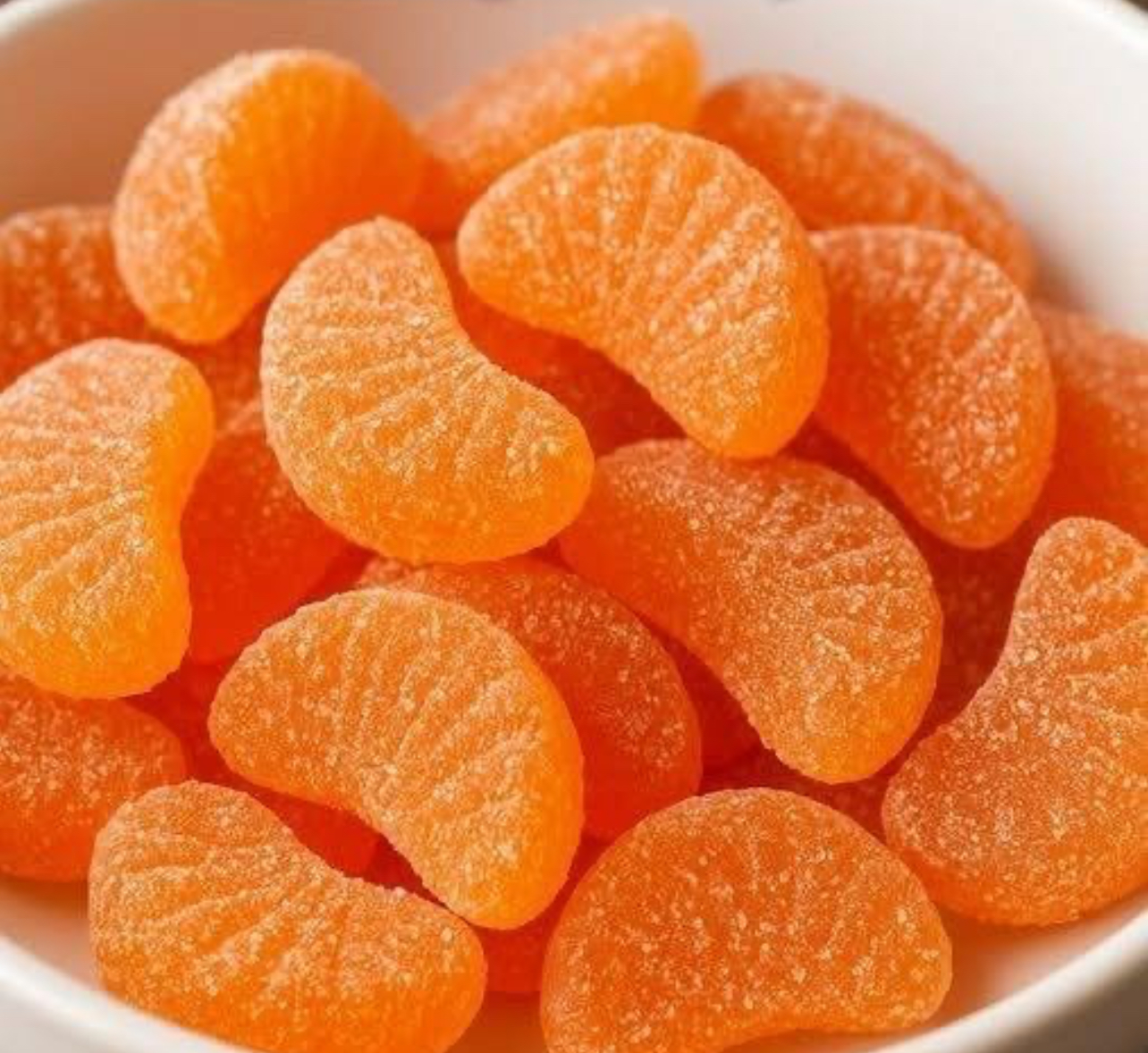
Old-fashioned orange candy belongs to a slower era of kitchens, the kind with a heavy saucepan, a wooden spoon, and sunlight coming through the window like a warm spotlight.
It’s the sort of sweet you’d find in a glass jar on a grandmother’s shelf, glowing like tiny pieces of amber. Nothing flashy, nothing engineered—just sugar, citrus, and heat performing a small act of edible alchemy.
At its core, this candy is a lesson in simple chemistry. Sugar dissolves in water, the water boils away, and what remains hardens into a glassy structure. Add orange flavor, and suddenly you’ve captured sunshine inside a brittle crystal. It feels almost magical, but it’s really just physics doing its reliable thing.
The beauty of this recipe is how few ingredients you need. No butter, no cream, no complicated steps. Old-fashioned sweets were born from practicality, not luxury. When supplies were limited, creativity did the heavy lifting.
The first ingredient is plain granulated sugar. It forms the entire structure of the candy, so quality matters. White sugar produces the clearest, most jewel-like finish, while darker sugars will change both the color and taste.
Water is the quiet helper. It doesn’t stay in the final product, but it allows the sugar to dissolve evenly at the beginning. Think of it as a temporary bridge that disappears once its job is done.
For flavor, orange extract or orange oil is essential. Extract gives a softer, sweeter taste, while oil delivers a sharper, more natural citrus punch. If you’ve ever peeled an orange and smelled that burst of aroma, that’s the flavor you’re aiming to trap in candy form.
Fresh orange zest is optional but worthwhile. Tiny flecks of peel add complexity and a faint bitterness that balances the sweetness. It makes the candy taste less like “sugar with flavor” and more like actual fruit.
A drop or two of orange food coloring is purely aesthetic. It doesn’t change taste, but it transforms the candy into bright, cheerful shards that look like stained glass. Humans eat with their eyes first, so a little color goes a long way.
Before cooking, prepare your workspace. Line a baking sheet with parchment paper or a silicone mat. Once the syrup is ready, you won’t have time to search for supplies, because hot sugar waits for no one.
Combine sugar and water in a heavy saucepan and heat gently while stirring. At this stage, you’re simply dissolving crystals. The mixture will look cloudy at first, then clear as everything melts together.
Once it begins to boil, stop stirring completely. Stirring introduces rogue crystals that can turn your smooth candy into gritty sand. It’s a small detail, but candy making often hinges on tiny, almost sneaky rules like this.
Attach a candy thermometer if you have one and let the syrup cook undisturbed. You’re aiming for the hard-crack stage, about 150°C or 300°F. At this temperature, almost all the water has evaporated, which is what gives the candy its snap.
As the syrup heats, the bubbles change character. They start large and lazy, then become small and rapid. This visual cue tells you the mixture is thickening and approaching the right temperature.
When the target temperature is reached, remove the pot from heat immediately. Sugar can go from perfect to burnt surprisingly fast. Quickly stir in the orange flavoring, zest, and coloring while the mixture is still fluid.
Carefully pour the syrup onto the prepared sheet. Don’t spread it with a spoon; instead, tilt the pan so gravity does the work. The liquid will level itself into a thin, glossy layer like molten glass.
Let the candy cool at room temperature without touching it. As it cools, it transitions from sticky syrup to hard crystal. Watching this transformation feels like witnessing geology on fast-forward.
Once fully hardened, break it into pieces using your hands or the back of a spoon. The edges will be irregular and rustic, which is part of the charm. Perfect shapes are for factories; homemade candy celebrates randomness.
To keep the pieces from sticking, dust them lightly with powdered sugar or cornstarch. Store them in an airtight jar, because sugar loves moisture and will happily absorb humidity from the air, turning sticky if left exposed.
When serving, pile them into a small bowl or wrap them in parchment twists for a nostalgic look. They also make lovely gifts, especially during holidays, when homemade treats feel more personal than anything store-bought.
In the end, old-fashioned orange candy is more than a sweet snack. It’s a small experiment in heat and transformation, a reminder that everyday ingredients can become something surprising. With just sugar and citrus, you create bright, crackling shards of flavor—tiny edible suns that make the ordinary afternoon feel a bit magical.
-
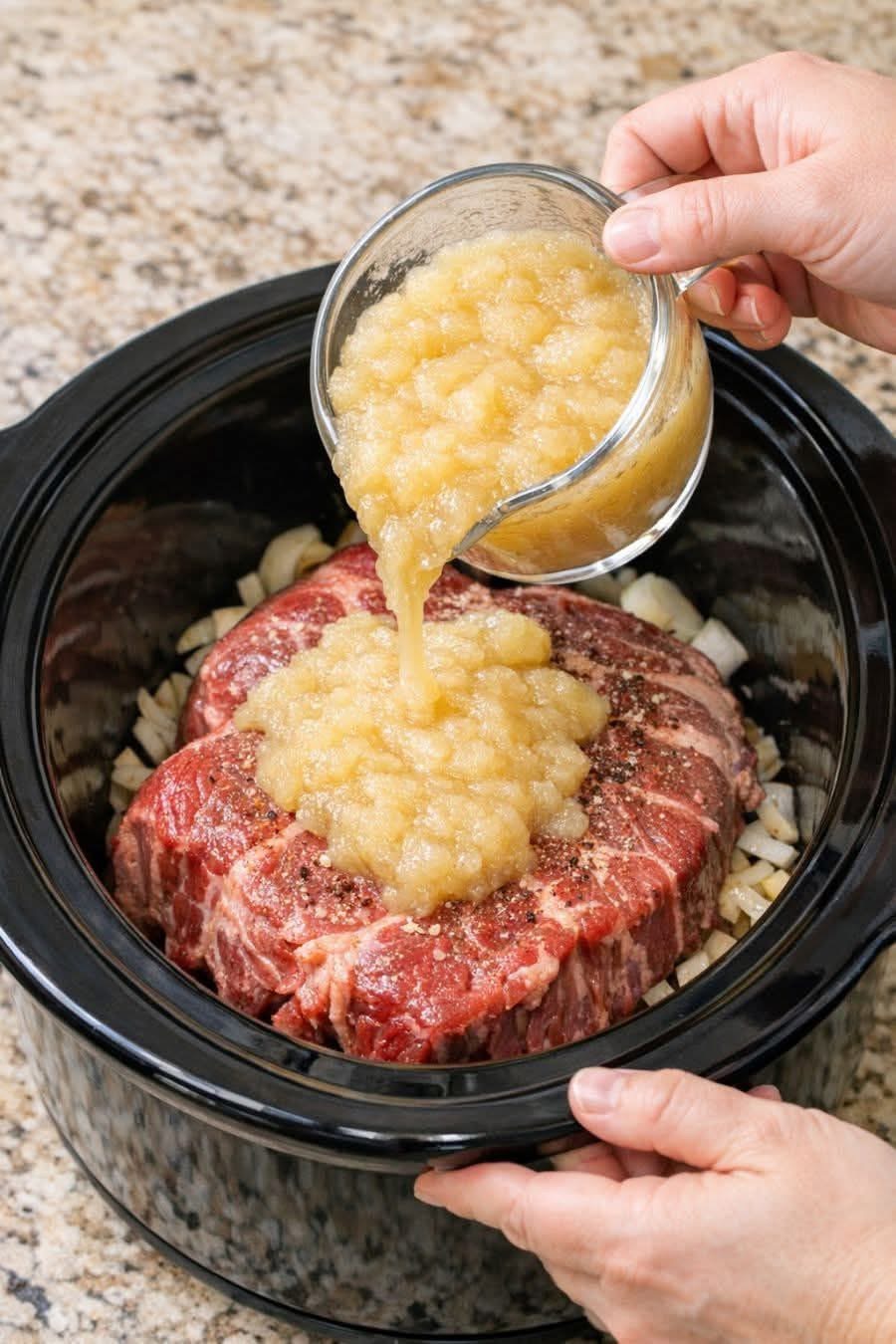
A Comforting Classic with a Sweet and Savory Twist
A Comforting Classic with a Sweet and Savory Twist There’s something deeply comforting about a meal that slowly cooks to perfection while filling your home with rich, mouthwatering aromas. This … Read more
-

CACTUS OR CACTUS KNOWN AS PLANT OF LIFE
The prickly pear cactus, known scientifically as Opuntia ficus-indica, is a plant that has been used for centuries in both food and traditional medicine. Despite its rough and spiny appearance, … Read more
-
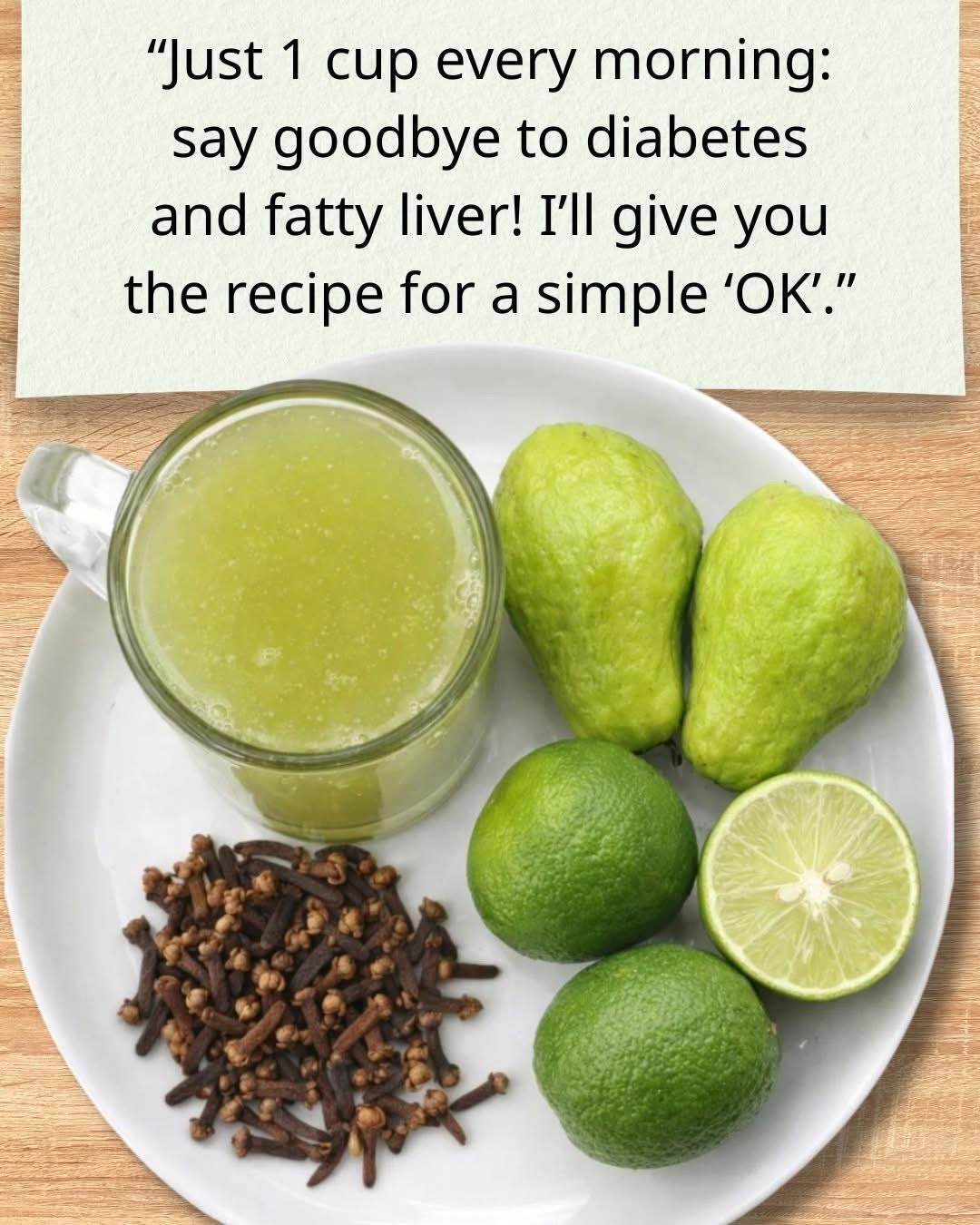
Traditional Herbal Infusion: A Time-Honored Blend of Soursop, Bay, and Oregano
For centuries, cultures around the world have turned to the wisdom of plants for nourishment, comfort, and wellness support. The practice of steeping leaves, herbs, and botanicals in hot water … Read more