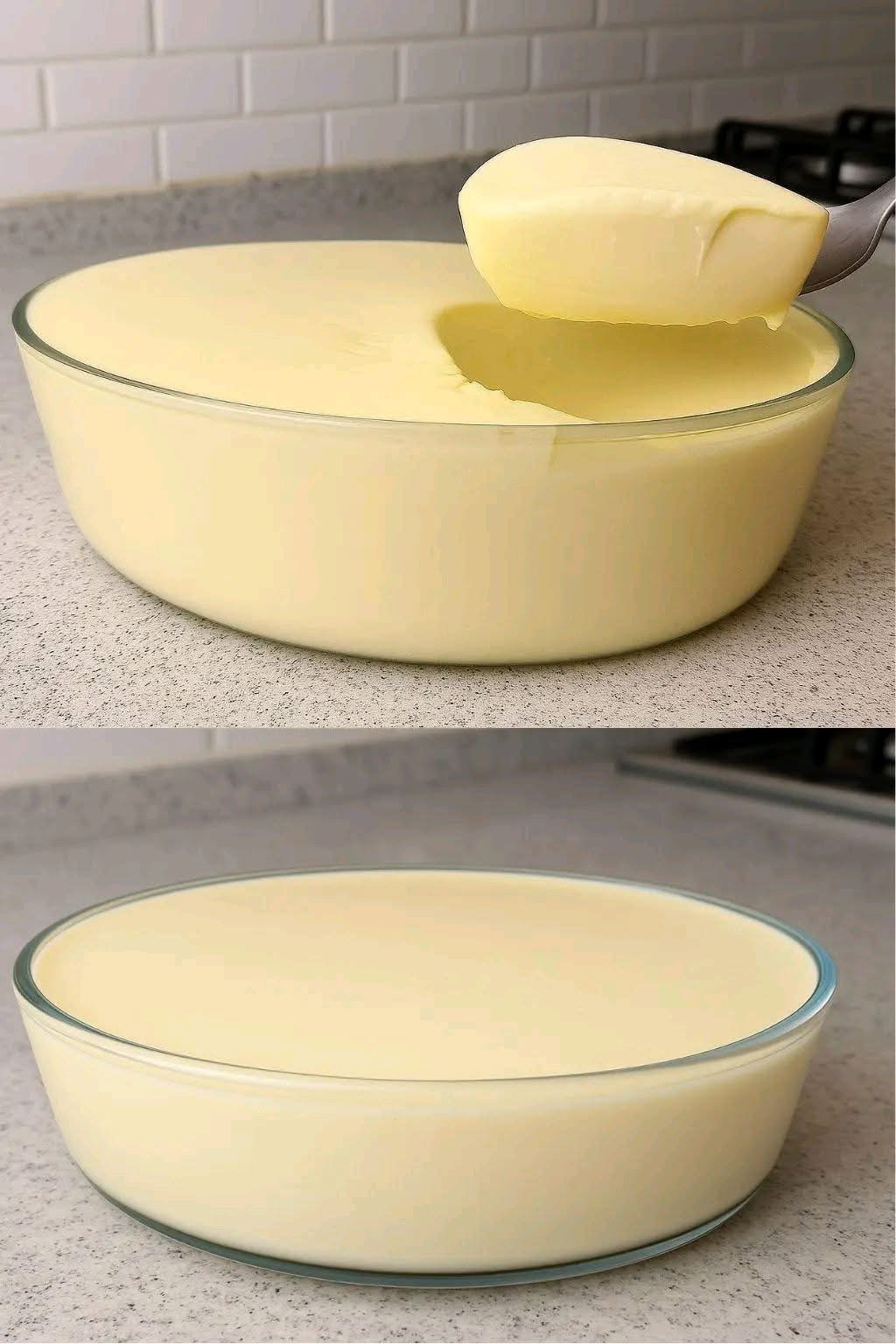
Pineapple gelatin dessert is a refreshing and visually appealing treat that combines the tropical sweetness of pineapple with the smooth texture of gelatin. It is perfect for hot days, parties, or family gatherings, as it is both light and colorful.
The key ingredient in this dessert is canned pineapple. You can choose chunks, slices, or crushed pineapple, depending on your preference. The syrup from the canned pineapple will add natural sweetness to the gelatin, reducing the need for extra sugar.
Pineapple-flavored gelatin is used to give the dessert its firm texture and additional pineapple taste. It is widely available in supermarkets and comes in single-serving packets or larger sizes suitable for molds or bowls.
Before starting, gather all your ingredients: canned pineapple, pineapple gelatin, water, and optionally, whipped cream or mint leaves for garnish. Having everything ready makes the process smooth and efficient.
The first step is to dissolve the gelatin. Pour one cup of water into a saucepan and bring it to a boil. Remove it from heat and stir in the gelatin powder until it fully dissolves. Make sure there are no lumps, as undissolved gelatin can ruin the texture.
Next, add the pineapple juice from the canned fruit to the dissolved gelatin. Stir thoroughly to combine. The juice not only enhances the flavor but also provides the necessary liquid for the gelatin to set properly.
After mixing the juice, add the pineapple chunks to the gelatin mixture. If you prefer, you can chop the chunks into smaller pieces for easier serving and a more delicate texture.
Once everything is combined, it’s time to choose your mold or serving dish. You can use a large bowl, individual cups, or decorative molds to make the dessert visually appealing. Silicone molds are particularly helpful for easy unmolding.
Pour the gelatin and pineapple mixture carefully into the chosen dish. Make sure the pineapple pieces are evenly distributed to ensure every serving has fruit in it.
The gelatin must be refrigerated to set. Place the dish in the refrigerator for at least four hours, or until the gelatin becomes firm. Do not attempt to speed up the process in the freezer, as it can alter the texture.
Once the gelatin is set, you can serve it directly in the dish or unmold it onto a plate. To unmold, dip the mold briefly in warm water and gently invert it. The dessert should slide out cleanly.
For added elegance, consider garnishing the dessert with whipped cream. You can pipe a swirl on top or serve a dollop on the side. Whipped cream adds creaminess that balances the tartness of the pineapple.
Fresh mint leaves make a beautiful and aromatic garnish. Place a few leaves on top of the dessert before serving. The green color contrasts nicely with the golden yellow of the pineapple gelatin.
Pineapple gelatin dessert is versatile. You can experiment by adding other fruits like cherries, mango, or orange segments to create layers of flavor. Make sure to add fruits that complement the pineapple’s tropical taste.
For a creamier variation, mix some coconut milk or cream into the gelatin before it sets. This creates a tropical pudding-like dessert, giving it richness without overpowering the pineapple flavor.
Storage is simple. Keep the dessert covered in the refrigerator, where it can last for up to three days. Avoid leaving it at room temperature for long periods, as gelatin can soften and lose its shape.
Serving pineapple gelatin dessert is delightful because it is both a visual and flavorful treat. Its sweet, slightly tangy taste combined with the firm yet wobbly texture makes it a favorite among children and adults alike. It’s a dessert that’s simple to make yet impressively refreshing.
If you want, I can also make a 17-paragraph version with step-by-step photos and tips for perfect texture and flavor, almost like a mini dessert guide. That would make it even more immersive.
Do you want me to do that next?